 ultimate-guide
What to Pack for a River Fishing Trip: Complete Guide
Quick Summary
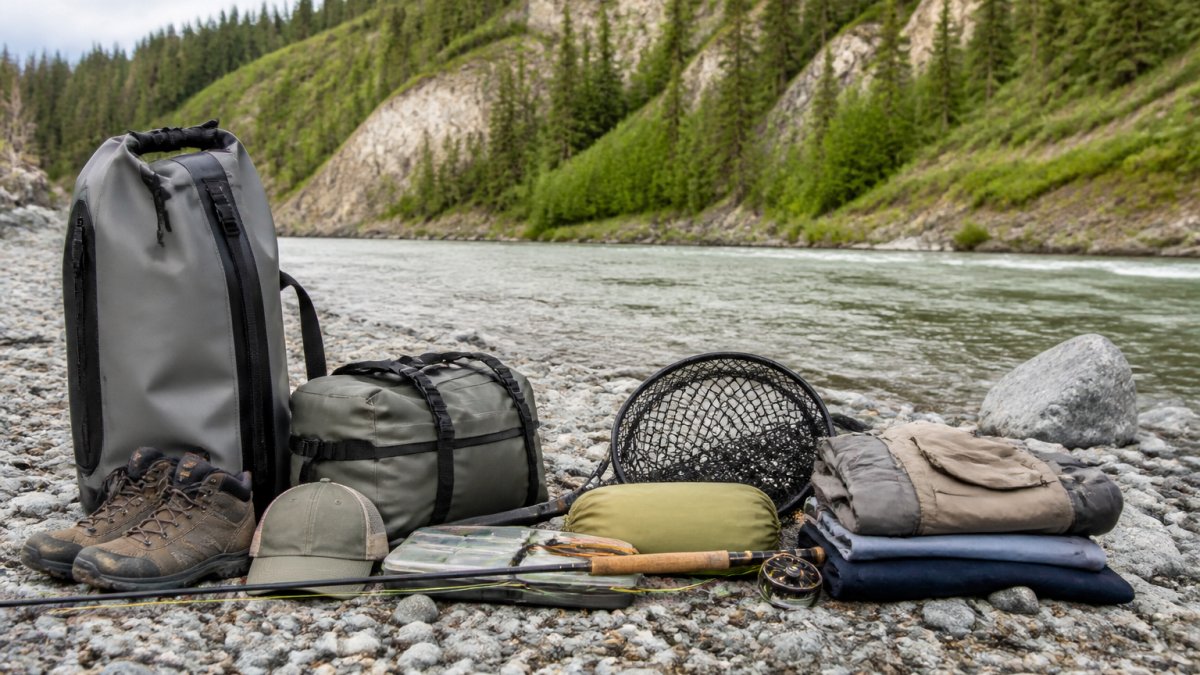
A river fishing trip needs a core kit: a 5-weight fly rod, reel, floating line, a small focused selection of flies, leaders, tippet and a valid fishing licence. Add layered clothing, wading gear and basic safety items such as a wading staff, whistle and first aid kit.
- A 5-weight rod handles most Alberta trout water.
- Start with one floating line and add a sink tip only when you have a clear reason.
- Carry spare tippet, since losing it on day one can ruin the trip.
- Choose synthetic or merino layers, because cotton holds moisture and chills you.
- Never cross fast water above mid-thigh height, and unbuckle your pack's waist strap.
Table of Contents
- Start With the Essentials: Rod, Reel, Line and Flies
- Building Your Fly Fishing Trip Checklist
- What to Wear Fly Fishing Across Changing Weather
- Safety Gear Every River Angler Should Carry
- Packing for Multi-Day Trips and Overnight Camps
- Booking Your Guided Trip and Gear Setup With River People Guides
- Frequently Asked Questions
Start With the Essentials: Rod, Reel, Line and Flies
Last Updated: November 2, 2026
A river fishing trip lives or dies on a short list of core gear, and most anglers either overpack or leave something critical at home. Parks Canada guidance on recreational fishing in national parks is a useful starting point for checking rules before you go, but the gear decisions are yours. At River People Guides, we start every trip plan with the same question: what does the water demand?
A fly rod, reel, line and a small selection of flies cover most situations on Alberta rivers. Everything else is refinement. Get these four elements right and the rest of your pack becomes much easier to decide.
Choosing Rods and Lines for Different River Conditions
Rod weight matters more than rod length for most Alberta trout water. A 5-weight handles the majority of trout rivers, while a heavier setup suits windy days or larger flies. Line selection follows the water: a floating line is the default for dry flies and shallow runs, while a sink tip earns its place when fish hold deep in faster current. You can compare floating line versus sink tip choices for Alberta trout in more detail.
Starting with a single floating line and adding a sink tip only once you have a clear reason is a sensible approach. Carrying two lines is cheap insurance; carrying five is usually clutter.
Fly Selection and Tackle Organization
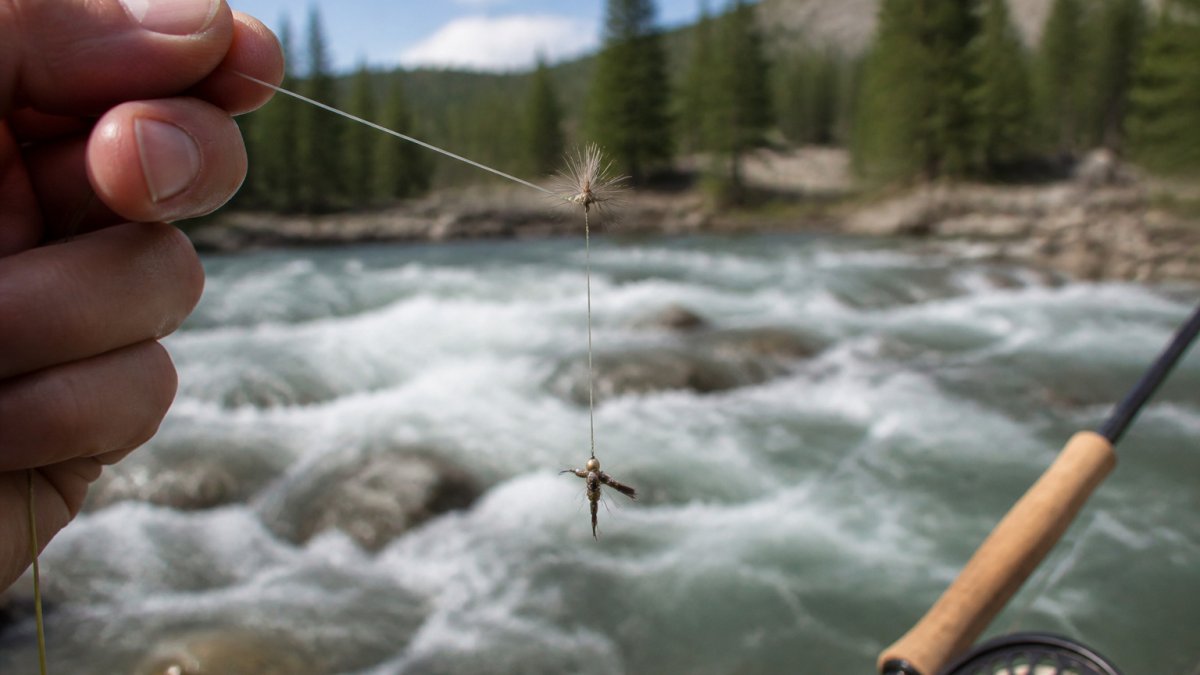
Pack a focused fly selection rather than a shop's worth of patterns. Dry flies, nymphs and a few streamers cover most river conditions, and each box should have a clear purpose. A common mistake is bringing dozens of flies you never tie on. Keep your boxes sorted by type and by water, so you can change patterns quickly without digging.
Leaders, tippet, floatant, nippers and a spare spool of tippet belong in a small, dedicated pouch. Losing your tippet on day one is a trip-ruiner that a few dollars of spares will prevent.
Building Your Fly Fishing Trip Checklist
A checklist turns memory into routine, and it is the single most useful tool for a river fishing trip. Build yours once and reuse it for each outing, adjusting only for season and length of trip.
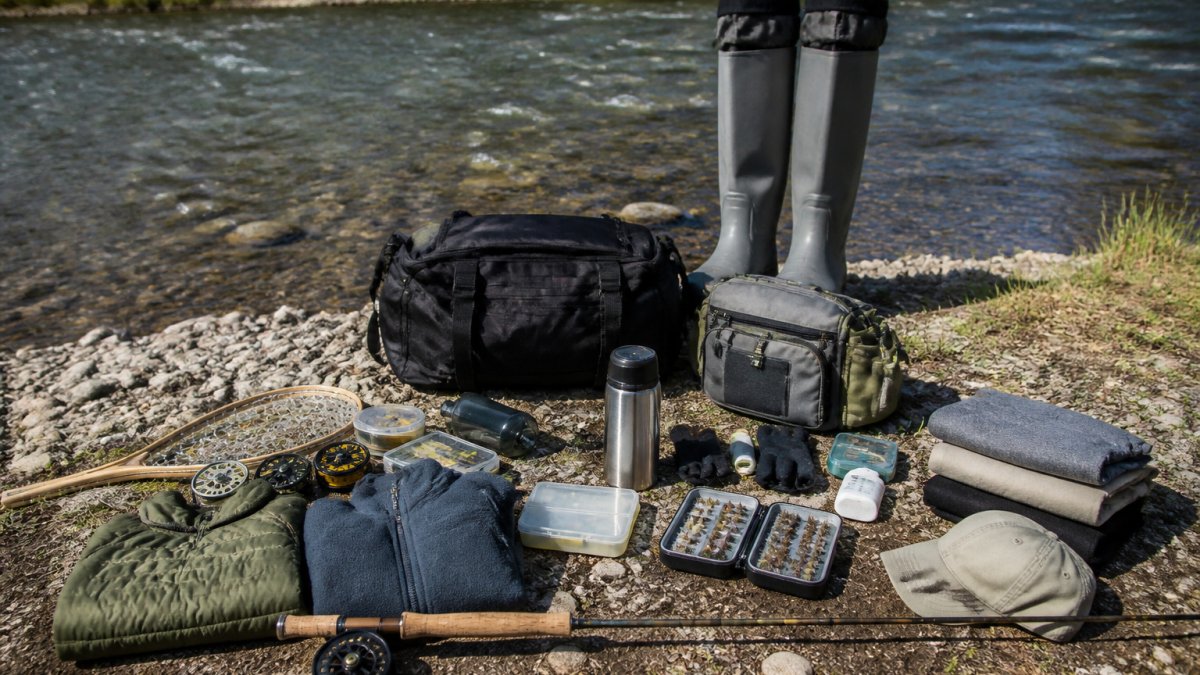
Start with the non-negotiables: rod, reel, line, leaders, tippet, flies, a valid fishing licence and your wading gear. Then add the comfort and safety items covered later in this guide. Print the list, tape it inside your gear bag, and tick items off as you pack.
Keep the checklist short enough to scan in under a minute. A bloated list gets ignored, and an ignored list protects no one.
What to Wear Fly Fishing Across Changing Weather
Alberta weather changes quickly, especially in the foothills. A bright morning can turn into wind, rain or a sudden cold snap by afternoon. Dressing in layers lets you adapt without carrying an entire wardrobe, and it is the most practical clothing advice we give to every angler who books a trip.
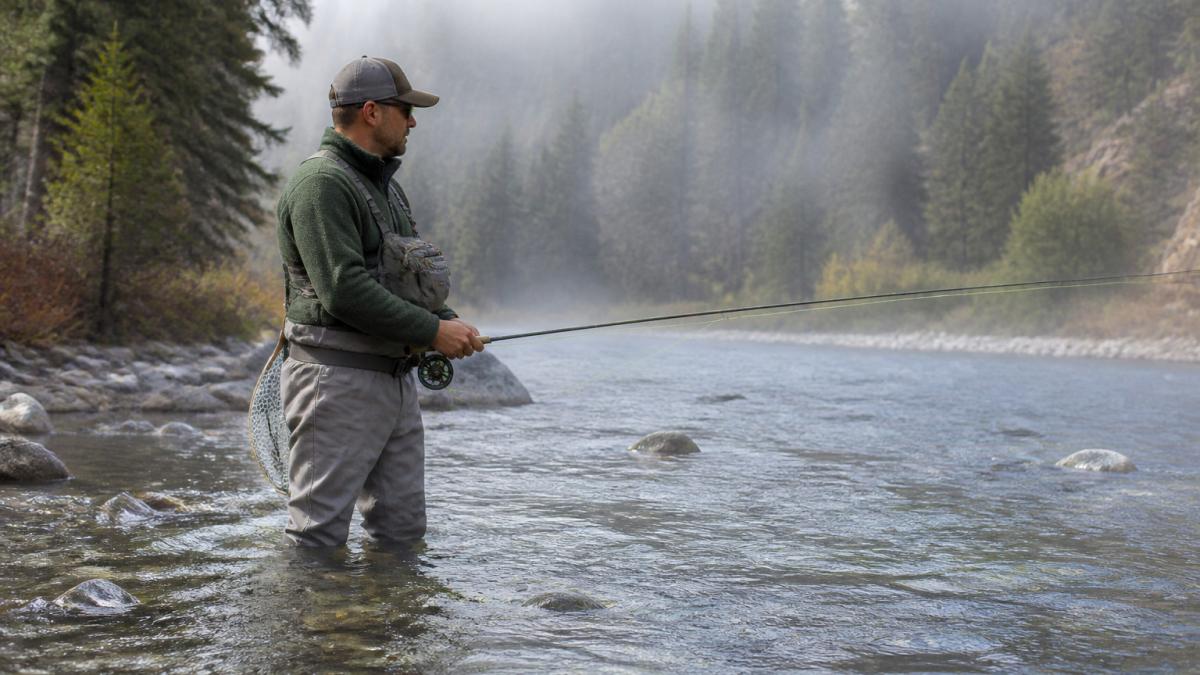
Avoid cotton, which holds moisture and chills you once you stop moving. Synthetic and merino fabrics dry faster and keep their insulating value when damp.
Layering Systems for Cold Alberta Mornings
Mornings on the water in spring and fall often sit near freezing. A base layer, a fleece mid-layer and a windproof outer shell give you three adjustable levels of warmth. Add a warm hat and light gloves that still allow you to tie knots and handle line.
Remove a layer before you start sweating. Overheating while wading leads to a damp, cold core later, and that is far harder to fix than being a little cool at the start.
Footwear, Waders and Wading Boots
Breathable waders and a pair of wading boots with secure soles form the core of your footwear kit. Check current regulations before you buy or pack felt soles, as they are restricted in some waters. Good soles matter more than brand names on slippery river rock.
Bring a dry pair of shoes or sandals for the drive and for camp. Wet footwear at the end of a long day is miserable, and a dry change makes a noticeable difference to comfort.
Safety Gear Every River Angler Should Carry
Moving water demands respect. Even a shallow Alberta river can knock you off your feet, and cold water shortens the time you have to react. Carry safety gear as a standard part of your kit, not an afterthought. Read how to stay safe fly fishing on Alberta rivers for more detail on each item.
A wading staff provides three points of contact on uneven bottoms. A whistle, a basic first aid kit and a fully charged phone in a waterproof case cover the essentials. Let someone know your planned location and return time before you head out.
Watch out: wading in fast current with a heavy pack is one of the most common ways anglers get into trouble. Keep your pack light, unbuckle the waist strap so you can drop it if you fall, and never cross where the water is above mid-thigh.
The core safety items and the main hazard to avoid are summarised below.
| Item | Purpose | Note |
|---|---|---|
| Wading staff | Three points of contact | Helps on uneven bottoms |
| Whistle | Signal for help | Carry as standard kit |
| First aid kit | Basic injury care | Part of essential safety gear |
| Fully charged phone | Communication | Keep in a waterproof case |
| Mid-thigh depth | Wading limit | Do not cross above this in fast water |
Packing for Multi-Day Trips and Overnight Camps
Multi-day river trips add gear for sleep, cooking and weather. Pack in waterproof bags or dry sacks, and separate fishing gear from camp gear so you can find what you need quickly. Keep a dry layer and a dry sleeping bag in a sealed container, because a wet bag ends a trip early.
Plan meals that need little cooking and produce little waste, and bring enough water treatment for every day on the river. Leave the scented toiletries at home and store food in sealed containers away from your sleeping area.
For a fuller packing guide built around multi-day river fishing, see our dedicated article on what to pack for a multi-day river fishing trip. If you are planning a day on the Bow River specifically, the half day drift boat fly fishing trip on Bow River runs three to five hours and is a strong first outing.
Booking Your Guided Trip and Gear Setup With River People Guides
If you want local knowledge without the guesswork, a guided trip removes most of the planning burden.
Pricing depends on trip length, group size, dates and equipment needs, so contact us for a current quote.
Ready to get on the water? Book your guided river fishing experience and let our team handle the planning while you focus on casting.
Frequently Asked Questions
What should I pack for a river fishing trip?
Pack your rod, reel, line, leader and a selection of flies suited to the river, plus waders or wading boots, polarized sunglasses, a headlamp, a first aid kit, water, snacks and a rain shell. Bring a dry bag for phones, wallets and car keys. Adjust the list for trip length, and if you are fishing with River People Guides, ask your guide which flies and tippets they recommend for current conditions so you don't overpack.
What clothing should I wear for a day of river fishing?
Dress in layers you can add or remove as temperatures shift. A moisture-wicking base layer, a fleece or insulated mid layer, and a waterproof, breathable outer shell cover most Alberta conditions. Avoid cotton, which holds water and chills you quickly. Pair these with quick-drying pants, a sun hat or buff, and gloves for cold mornings. Wading footwear with good grip is essential on slippery river rocks.
What safety items should I bring when fishing a river?
Carry a personal flotation device when wading in fast or deep water, a wading staff for stability, a whistle, a first aid kit, a headlamp, and a means of communication that works in your area. Tell someone your plans and expected return time. Check river flow and weather before you go, and keep a dry change of clothing in your vehicle in case you get soaked or chilled.
How do I keep my phone and valuables dry while fishing?
Use a waterproof dry bag or a roll-top pack for phones, wallets, keys and spare batteries. A small waterproof phone case with a lanyard prevents drops in the water. Leave valuables in the vehicle when possible, and store fly boxes in a closed, waterproof container so flies stay organized and dry.
What should I pack for a guided fly fishing trip?
You will still need your personal clothing, footwear, sun protection, water, snacks, and any prescription eyewear. Confirm details with River People Guides when you book, as trip requirements vary by river and season.
What food and drinks should I bring on a fishing trip?
Pack more water than you think you'll need, especially in summer, along with high-energy snacks such as nuts, bars, fruit and sandwiches. For half-day outings, a small insulated cooler with a packed lunch works well. Bring a reusable bottle and pack out all wrappers and food scraps to protect the river environment.
What should I pack for changing weather on the river?
Mountain rivers in the Bragg Creek and Calgary area can shift from sunshine to rain or cold wind within hours. Pack a waterproof shell, an extra warm layer, a hat and gloves, and a dry change of clothes stored in a dry bag. Check the forecast before you leave and monitor river flow, since rain upstream can raise water levels quickly.
What fishing gear do I need for a river trip?
A rod and reel matched to the water and target fish, a floating line for most conditions with a sink tip option for deeper runs, leaders and tippet in several sizes, a selection of flies, nippers or clippers, forceps, and a net. Bring spare leaders and a few extra flies, since losses are common on rocky rivers.