 ultimate-guide
9 Fish You Can Catch Fly Fishing Near Calgary
Last Updated: November 1, 2026
Quick Summary
Anglers fly fishing Calgary waters most often catch rainbow and brown trout, mainly on the Bow River, with brook and cutthroat trout found in cooler, higher streams and lakes further from the city. Rainbows are the best starting point for beginners, while browns reward experienced anglers. Species and seasons vary by waterbody, so check regulations before each trip.
- Rainbow trout and brown trout are the most common catches on the Bow River.
- Brook and cutthroat trout turn up in cooler, higher waters further from the city.
- Rainbow trout feed actively through much of the year, making them good for beginners.
- Brown trout have dark spots with lighter halos; rainbows have a pink or red side stripe.
- Runoff from mid-June into early July is when most visiting anglers struggle on the Bow.
Table of Contents
- Which Fish Live in Calgary-Area Waters
- Bow River Fish Species You Can Expect
- Bow River Fly Fishing Spots Near Calgary
- Catchable Species by Waterbody: Rivers, Streams and Lakes
- Best Time to Fish the Bow River and Nearby Waters
- Flies for Bow River Trout and Beginner Gear
- Book Your First Guided Trip With River People Guides
- Frequently Asked Questions
Which Fish Live in Calgary-Area Waters
Anglers around Calgary can catch several species of trout, and the Bow River is the centre of most of the action. Rainbow trout and brown trout are the most common catches, but brook trout and cutthroat trout turn up in the cooler, higher waters further from the city.
The species you encounter depends on where you fish, what season it is, and how far you are willing to drive. A short trip to the river will usually put you in front of rainbows and browns, while the lakes and reservoirs in Kananaskis Country offer a different mix. Knowing which fish inhabit which waterbody saves a lot of wasted time on the water.
Here is a quick summary of the main species and where to expect them:
| Species | Where to Find It | Best For |
|---|---|---|
| Rainbow trout | Bow River, Highwood River | Beginners and steady action |
| Brown trout | Bow River, Sheep River | Experienced anglers, larger fish |
| Brook trout | Smaller streams, high-country creeks | Scenic backcountry trips |
| Cutthroat trout | Mountain streams and lakes | Native-fish conservation waters |
Bow River Fish Species You Can Expect
The Bow River is the reference point for fly fishing Calgary anglers rely on, and its trout population is the reason most anglers book their first trip here. According to Alberta Environment and Protected Areas fisheries information, the province manages its fisheries under provincial regulations that set limits and seasons for each waterbody. Check those rules before you go, because they change by river section.
Rainbow Trout on the Bow
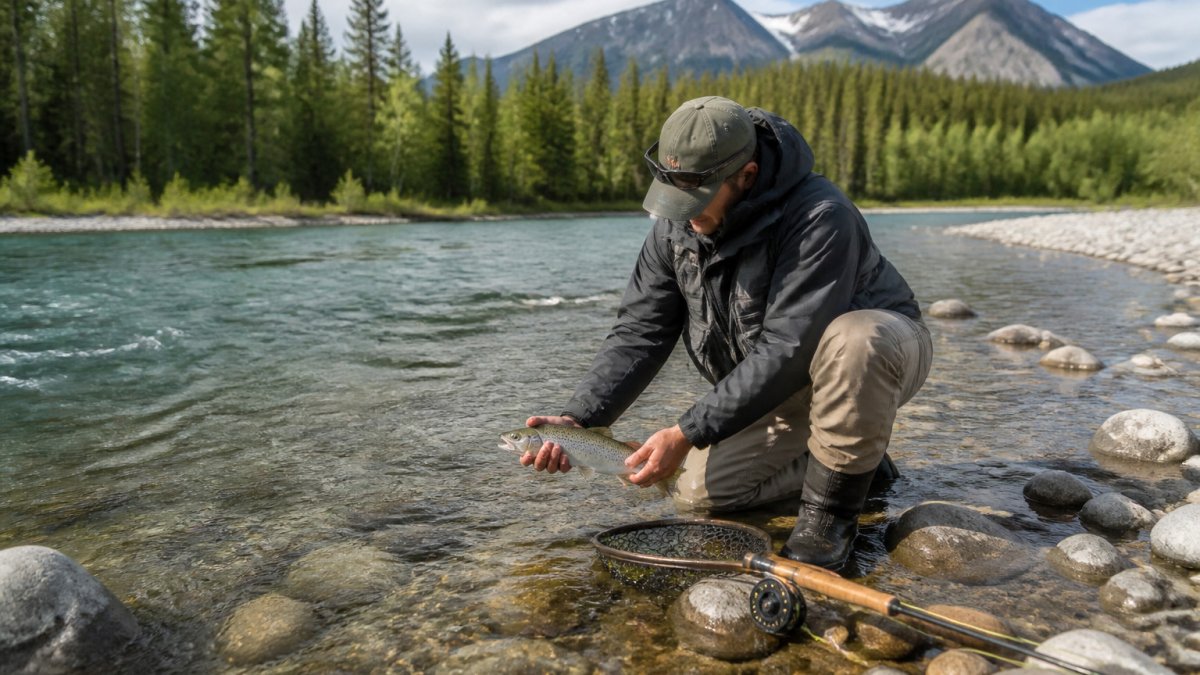
Rainbow trout are the species most anglers hope to catch on the Bow. They feed actively on insects throughout much of the year, which makes them approachable for newer anglers who are learning to present a fly. Expect them in the faster riffles and along the edges of seams where food collects.
Brown Trout and How to Tell Them Apart
Brown trout look similar to rainbows at a glance, which trips up many beginners. Look for the spotting pattern: browns usually have dark spots surrounded by lighter halos, while rainbows have a pink or red stripe along the side and spots that sit mostly on the body and tail. Browns also tend to be more secretive and feed more heavily at dusk, so they reward patient, well-timed presentations.
Bow River Fly Fishing Spots Near Calgary
The most productive stretch of the Bow is just southeast of the city limits, and it is where a guided float delivers the best results. Read about the Bow River's blue ribbon reputation and trout populations for more background. A Parks Canada overview of Kananaskis Country gives useful background on the wider area if you plan to fish beyond the river itself.
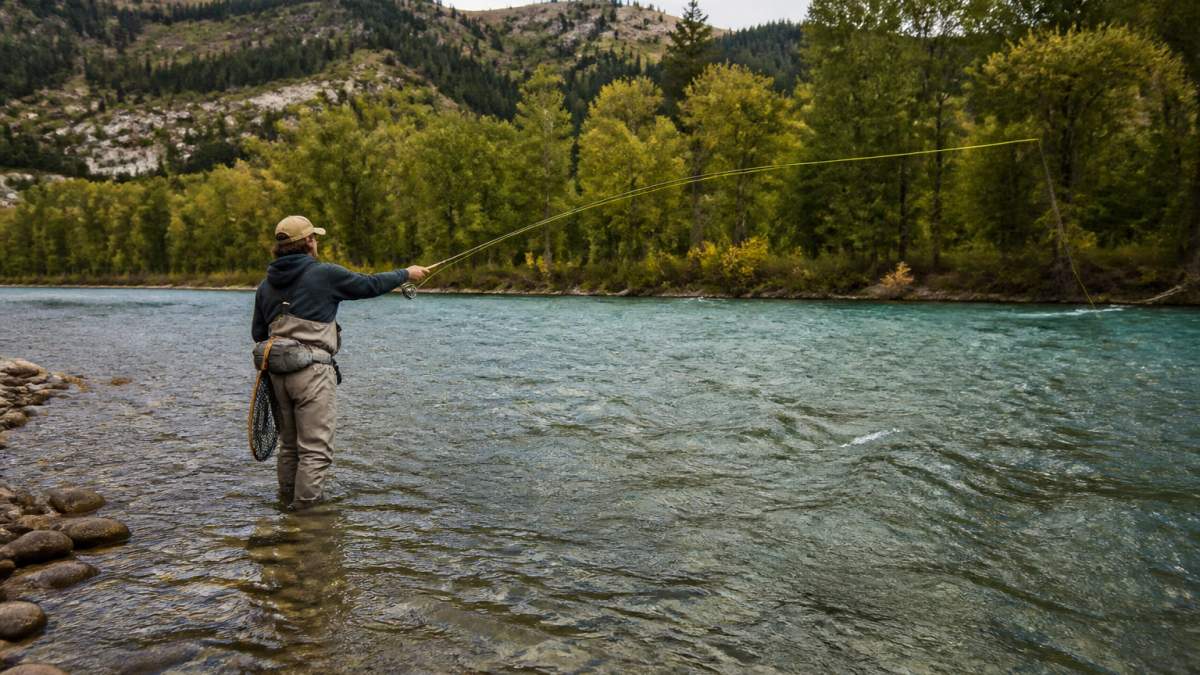
Contact River People Guides for current guided trip options on the Bow River.
For a longer outing, you can ask about full-day guided options that cover more of the river in one day.
Catchable Species by Waterbody: Rivers, Streams and Lakes
Most guides list trout species and then list places, leaving you to guess which fish lives where. The table below maps the catchable species to the specific waters anglers actually drive to from the city, so you can pick a target and a destination in one step. Distances are approximate driving distances from the city centre and will vary with traffic and trailhead access.
| Waterbody | Approx. Drive | Most Likely Species | Access and Skill Notes |
|---|---|---|---|
| Bow River (city reach and downstream) | 10-45 min | Rainbow trout, brown trout, Rocky Mountain whitefish | Wade or float; year-round; barbless hooks required; strong currents demand wading care |
| Highwood River | 45-75 min | Rainbow trout, brown trout, bull trout (catch-and-release) | Wade access off secondary roads; seasonal closures apply; check regulations before driving out |
| Sheep River | 45-70 min | Brown trout, rainbow trout | Smaller water; good for wade anglers; flows drop fast in late summer |
| Elbow River (upper reaches) | 45-90 min | Brook trout, cutthroat trout, rainbow trout | Headwater creeks and beaver ponds; hike-in access; light rods preferred |
| Kananaskis Country lakes and reservoirs | 60-90 min | Rainbow trout, brook trout, cutthroat trout (stocked and wild) | Boat, float tube, or shore access; stillwater tactics differ from river fishing |
| Alpine and subalpine lakes | 90+ min | Cutthroat trout, brook trout | Hike-in only; short season; check for species-specific retention rules |
A few practical patterns fall out of this table. The Highwood and Sheep reward anglers willing to drive a little further with less pressure and a real shot at larger browns. The Elbow headwaters and Kananaskis lakes are where brook and cutthroat trout become realistic targets, and they suit anglers who want scenery and solitude more than numbers.
Alberta fishing regulations and waterbody-specific rules should be your first stop before any trip, because seasons, bait bans, and retention limits differ by waterbody and change annually. A common pattern is that flowing waters carry stricter tackle rules than stocked lakes, so read the section for the exact water you plan to fish rather than relying on a general summary.
If you want to skip the scouting, a guided trip can help concentrate your time on the water. Contact River People Guides to ask about the options available for your target species and waters.
Best Time to Fish the Bow River and Nearby Waters
Timing on the Bow and the surrounding waters follows a fairly predictable annual arc, even though exact dates move with snowpack and spring weather. The table below breaks the year into windows and names what is actually happening on the water, so you can plan around hatches and flows rather than guess.
| Window | Typical Conditions | What the Fish Are Doing | Fly Strategy |
|---|---|---|---|
| Late March-April | Cold, clear, low flows | Trout feed on midges and small nymphs in slow seams | Small midge larvae and pupae, light tippet |
| May-early June | Rising flows, pre-runoff | Fish feed aggressively before runoff muddies the river | Nymphs and streamers; watch for the first mayflies |
| Mid-June-early July | Runoff; high, off-color water | Fishing slows; edges and side channels hold fish | Large, dark streamers and worms; fish close to banks |
| July-August | Clearing, warming water | Caddis and mayfly hatches; evening dry-fly action | Elk-hair caddis, pale morning duns, terrestrials |
| September-October | Stable flows, cooling water | Browns turn aggressive and territorial pre-spawn | Streamers, egg patterns, large nymphs |
| November-February | Cold, clear, low flows | Slow, deep-holding fish; midge activity on mild days | Small midges, deep nymph rigs, slow presentations |
The single biggest variable is runoff. Snowmelt in the mountains pushes the Bow and its tributaries high and dirty, usually from mid-June into early July, and that window is when most visiting anglers struggle. A common pattern is to fish the edges and slower side channels during runoff rather than the main current, because trout move out of the heaviest flow. Navigating these shifting seasonal conditions often requires the expertise of local fly fishing guides who understand how to read the water as it drops and clears.
Hatch activity drives fly choice more than any calendar date. Mayflies, caddis, and midges make up most of the trout diet on the Bow, and stoneflies appear on some tributaries. Watching the water for rising fish and insects on the surface tells you more than a hatch chart, because local timing shifts with elevation and weather. Carry a small box that covers midges, mayflies, and caddis in a couple of sizes, and you can match most of what you see.
Water conditions should guide your final decision. Flow rate and clarity change daily during runoff and after summer storms, so check current readings before you commit to a drive. If the river is high and dirty, either fish the edges or shift to a stillwater lake in the Kananaskis area, where clarity is less affected by river runoff.
If you want to hit one of these windows with someone who reads the water daily, book a full-day drift boat trip and let the guide put you on the right section for the season.
Flies for Bow River Trout and Beginner Gear
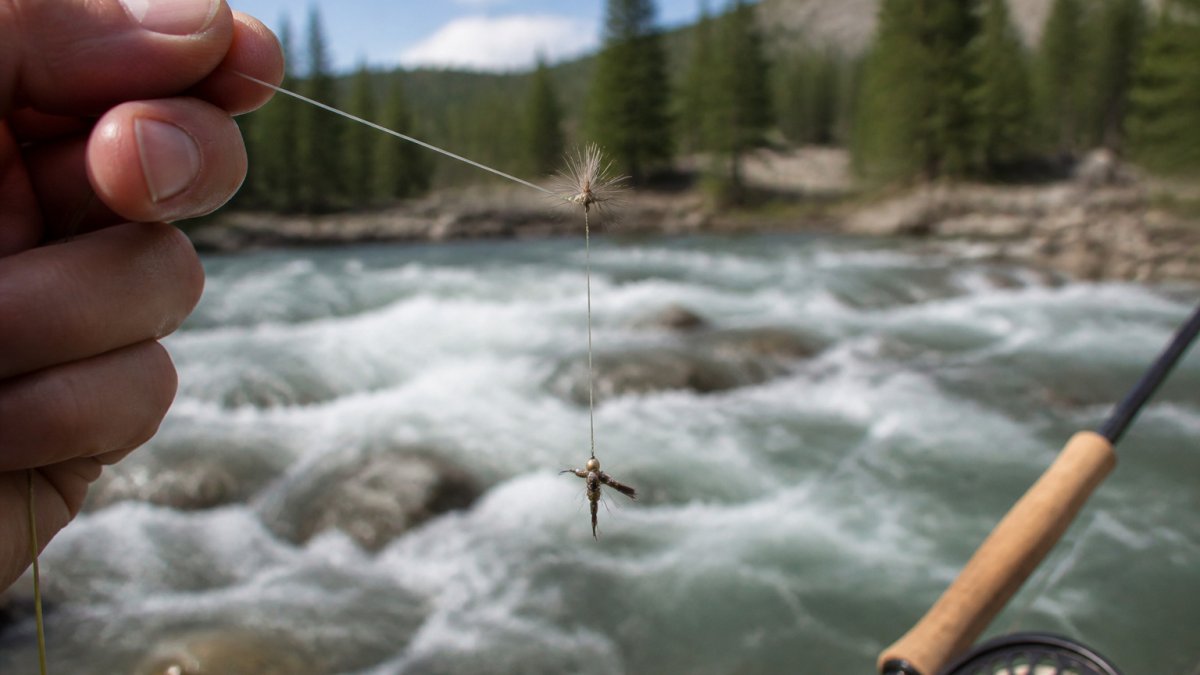
Start with a small selection of proven patterns rather than an overwhelming box. A few nymphs such as midges and small mayfly imitations cover most situations, and a couple of dry flies in sizes matching the local hatches will carry you through a typical day. Leeches and streamers can be productive on certain days, especially when fish are less willing to rise.
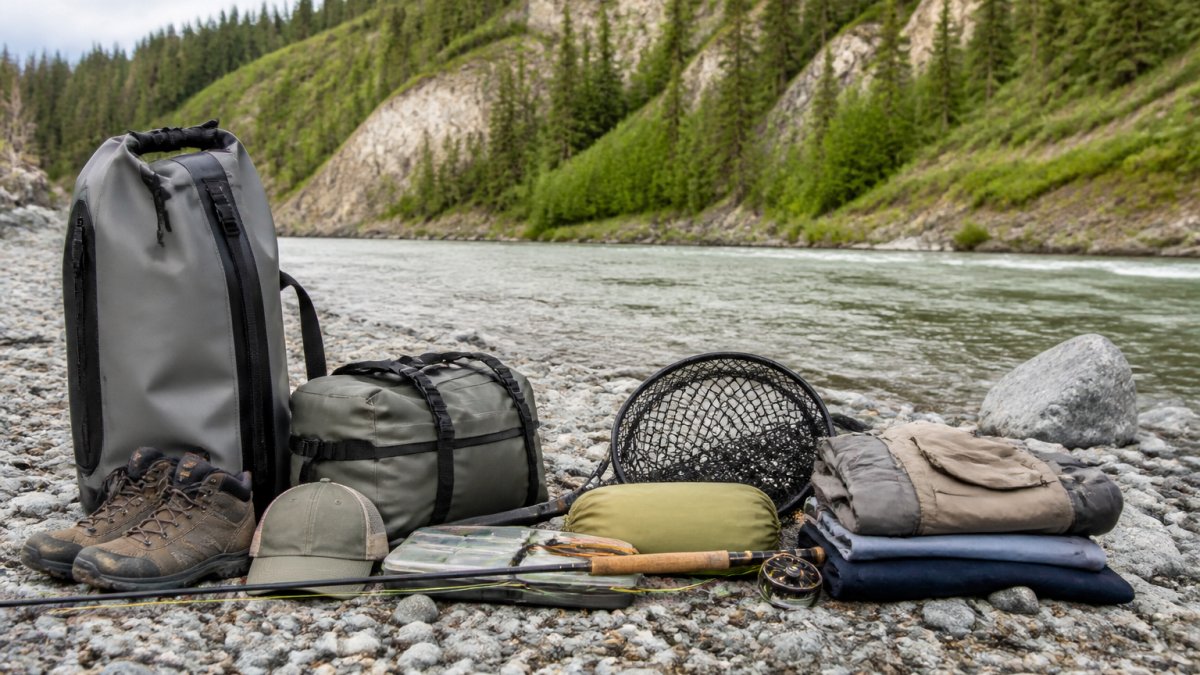
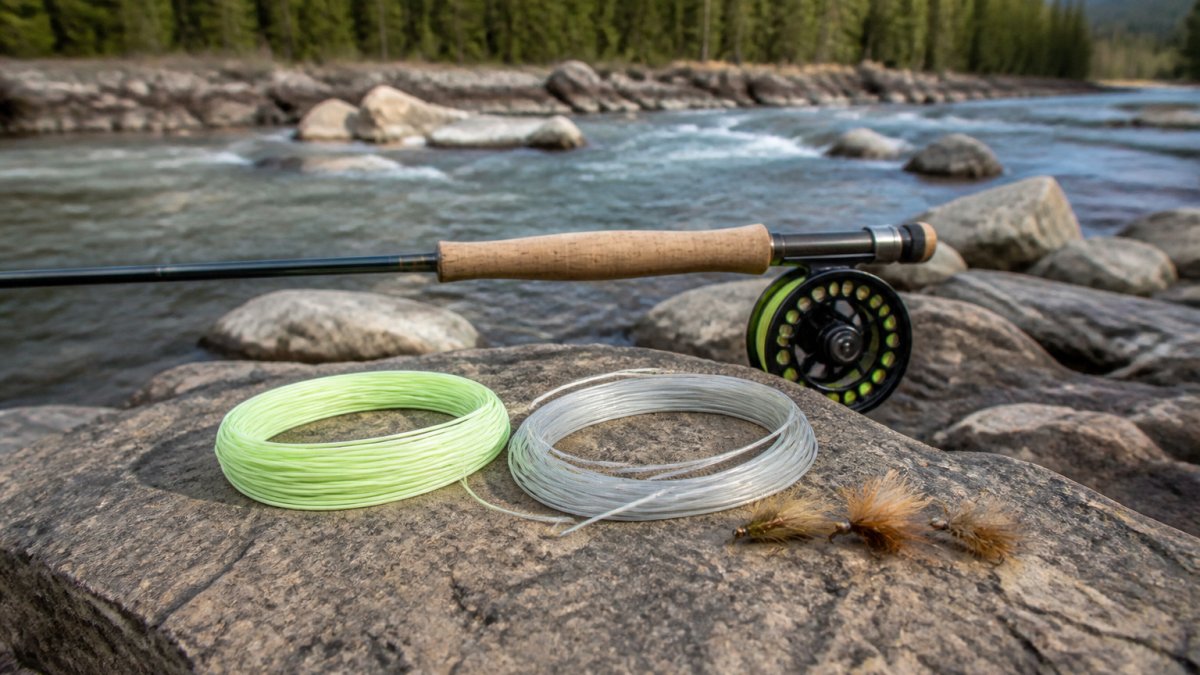
For gear, a mid-weight rod in the 5 or 6 weight range suits most Bow River trout. Pair it with a reel and a taper leader, and bring waders and a net for safe handling. Many beginners find that a guide's advice on fly selection is more useful than buying a large kit before the first trip. If you don't own gear yet, see how to rent fly fishing gear in Calgary before you go.
Book Your First Guided Trip With River People Guides
Fishing the Bow River is easier with someone who knows the water. At River People Guides, our guides work with anglers of all skill levels. Contact River People Guides to discuss a guided trip on the Bow River and start with the fish that live closest to Calgary. Before you book, review your private fly fishing instruction options.
Frequently Asked Questions
What fish are in the Bow River, Calgary?
The Bow River near Calgary holds rainbow trout, brown trout and mountain whitefish, along with some brook trout in cooler tributary sections. Rainbows are the most common catch for fly anglers and are often found in riffles and runs. Browns tend to be larger and more solitary, often holding near undercut banks and deeper pools. Whitefish are also present and are a fun catch on light tackle. Check current Alberta fishing regulations before you go, since limits and closures apply to specific sections of the river.
Do you need a fishing license to fly fish in Alberta?
Yes. Anglers aged 18 and over need a valid Alberta sportfishing licence, and licences can be bought online or from authorized retailers. Non-residents and residents have different licence options, and prices vary by licence type and duration, so check the current Alberta government fees before purchasing. Regulations on bait, barbless hooks, catch limits and closed areas change from year to year, so review the current Alberta sportfishing regulations booklet before you head out.
Can beginners catch fish on a guided fly-fishing trip?
Yes. Guided trips are a practical way for beginners to learn casting, mending, reading the water and presenting a fly. A guide provides the rod, line and flies, and can adjust instruction to your skill level. Pricing for guided trips depends on the date, group size and trip length, so contact River People Guides directly for a current quote.
What is the best month to fly fish the Bow River?
Many anglers find the best fly fishing on the Bow River from late spring through fall, with early season fishing productive once water clarity improves. Runoff from snowmelt often makes the river high and cloudy in late spring, so conditions can vary from week to week. Early summer and fall bring steady hatches of mayflies, caddis and midges, and water flow and clarity are the main factors to check before each trip.