 how-to
Are Guided Fly Fishing Trips Worth It? A 2026 Guide
Table of Contents
- The Real Value of Guided Fly Fishing Trips
- Guided Fly Fishing vs DIY: What Changes on the Water
- Understanding Guided Fly Fishing Trip Cost
- What to Expect on a Guided Fly Fishing Trip
- Guided Fly Fishing Trip Preparation: What You Need to Know
- Who Should Book a Guided Trip, And Who Shouldn't
- Making the Decision: Is a Guided Trip Right for You?
- Frequently Asked Questions
Last Updated: October 18, 2026
The Real Value of Guided Fly Fishing Trips
A guided fly fishing trip is an investment in your success on the water: expert instruction, local knowledge, and access to productive spots. But is it worth it?
It depends on your goals, experience level, and how you measure value.
This guide breaks down what you get from a guided fly fishing trip, how it compares to DIY fishing, and how to decide whether booking makes sense.
Guided Fly Fishing vs DIY: What Changes on the Water
The biggest difference between guided and DIY fishing isn't location, it's the feedback loop. Alone, you guess: pick a fly, cast, hope.
Here's what actually changes:
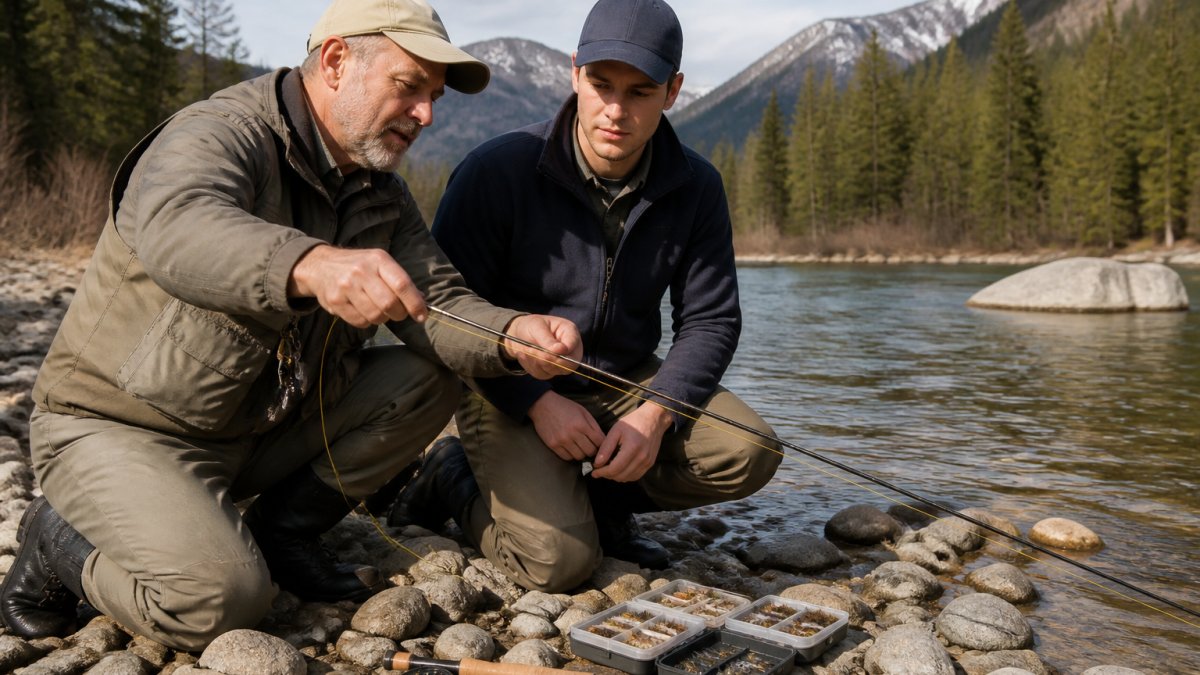
Casting and technique. Most beginners have habits that cost them fish. Your guide spots and corrects them on the water, one adjustment to your mend or cast angle often makes the difference between a frustrating day and a productive one.
Fly selection. A guide knows what's hatching, what fish are eating, and which flies match conditions, compressing months of trial and error into a single day.
Confidence. After a guided trip, you understand the process and have seen it work, confidence that carries into your solo trips.
The trade-off is clear: you're paying for compressed learning and local expertise.
Understanding Guided Fly Fishing Trip Cost
Pricing varies by trip length, season, group size, and inclusions. Contact guides directly for current rates, pricing changes seasonally and depends on availability.
What matters is understanding what you're actually paying for:
Half-day trips focus on technique and immediate application, learning fundamentals and practicing casting on a specific stretch. Good if you have limited time or want to test whether fly fishing is for you.
Multi-day trips combine fishing with camping or lodging, build skills progressively, and reach remote water day-trippers can't, the most immersive way to learn.
Inclusions matter too: some guides provide all tackle and flies, others expect your own rod and reel; some include shore lunch, others don't.
A transparent way to think about price
Most guided fly fishing trips in Canada fall into a predictable range, though rates move with fuel costs, season, and local demand. As a planning rule, expect a half-day walk-and-wade trip to start around CAD $250-$400 per angler, a full-day walk-and-wade trip around CAD $400-$650 per angler, and a full-day float trip around CAD $550-$850 per angler. Multi-day packages with lodging commonly run CAD $1,200-$2,500 per person depending on meals, accommodation, and remoteness.
What drives the number up or down:
- Trip length. A half day is roughly 4 hours on the water; a full day is 8 or more, including travel between runs.
- Access and mode. Walk-and-wade trips cost less than float trips because they avoid boat, shuttle, and launch logistics.
- Group size. Most guides price per party or per angler with a group discount. A two-angler full day becomes meaningfully cheaper per person than a solo trip, because the guide's fixed costs are shared.
- Season and demand. Peak hatches and weekends command higher rates; shoulder-season weekdays are often the best value.
- Inclusions. Flies, leaders, tippet, lunch, and loaner gear can add CAD $50-$150 of value per day. A trip that looks cheaper may not be once you add those items.
What the price does not always cover
Budget for extras so the final bill doesn't surprise you:
- Licensing. A valid provincial or territorial fishing licence is required and is usually not included. Check the relevant government fishing regulations page for current fees and rules before you travel.
- Gratuity. Tipping is customary for good service; many anglers budget 10-20% of the trip cost.
- Gear rental. If you don't own waders, boots, or a rod, rental can add to the cost per day.
- Travel and accommodation. Transport to the meeting point, parking, and lodging are typically separate.
- Conservation and access fees. Some waters carry day-use or conservation surcharges.
Is the per-person value there?
A useful test is comparing trip cost against the value of your time. If a guide helps you avoid a day of unproductive water and compresses months of trial-and-error into hours, the effective cost per skill learned is often lower than the sticker price suggests. A two-angler full day for the party, roughly a weekend away, for coached, local, access-supported fishing. Whether that's worth it depends on how you value time, learning, and access.
What to Expect on a Guided Fly Fishing Trip
On-water instruction and skill development
Your guide will spend time teaching.
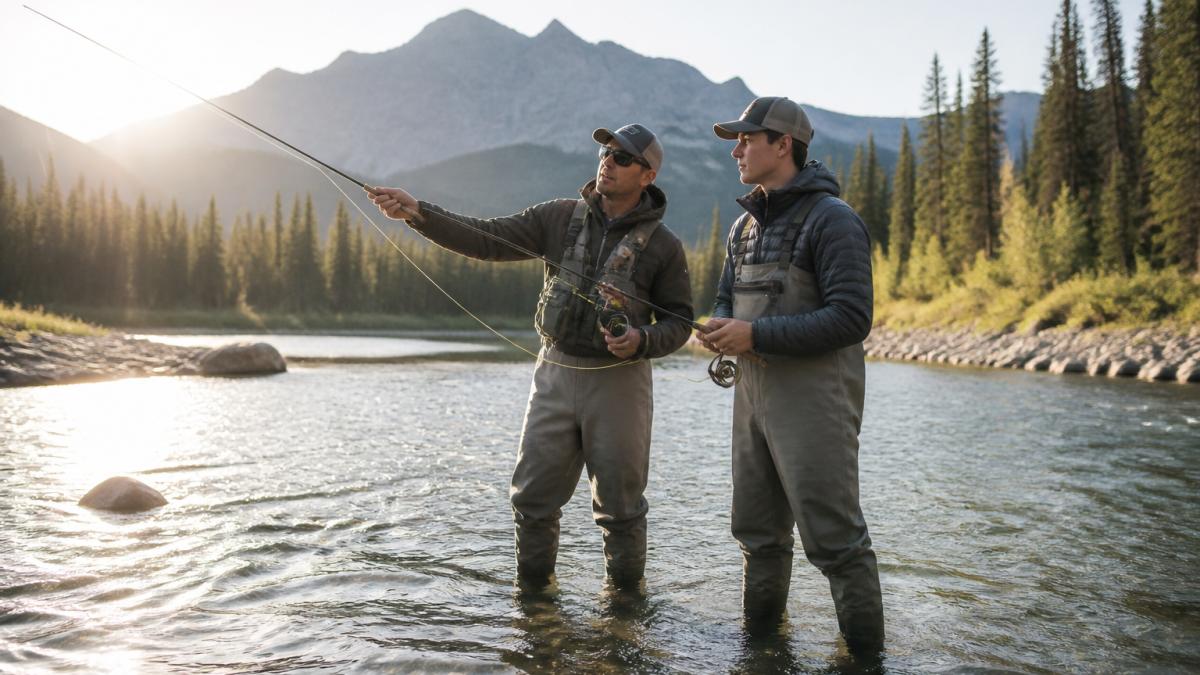
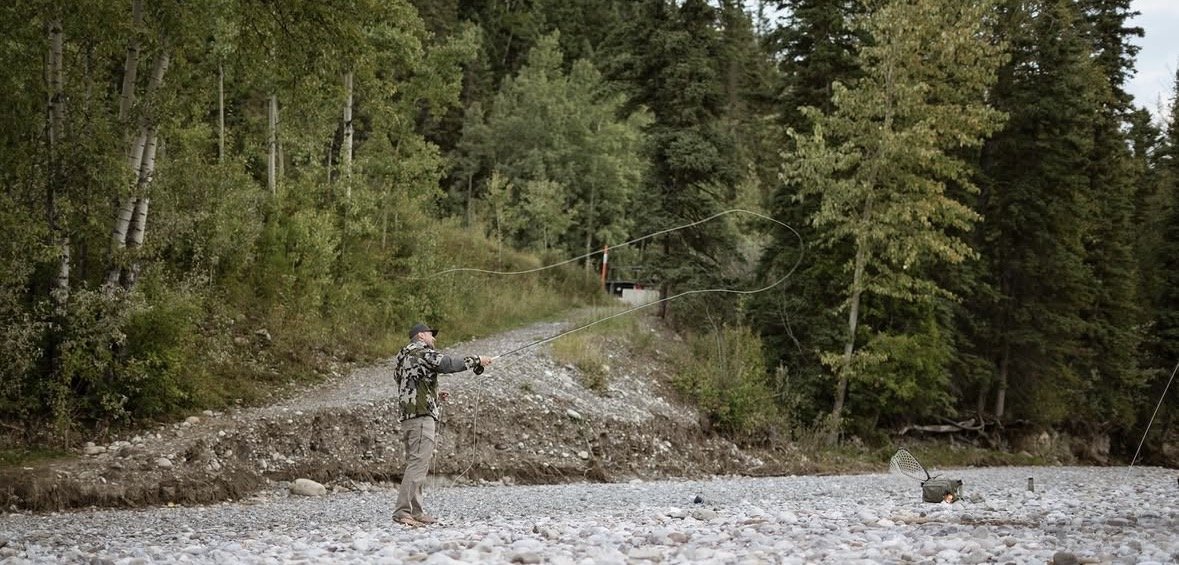
Expect to work on casting fundamentals first: your guide watches your stance, arm motion, and timing, corrects problems, and shows you what good form feels like.
Then you'll move into reading water and fly selection.
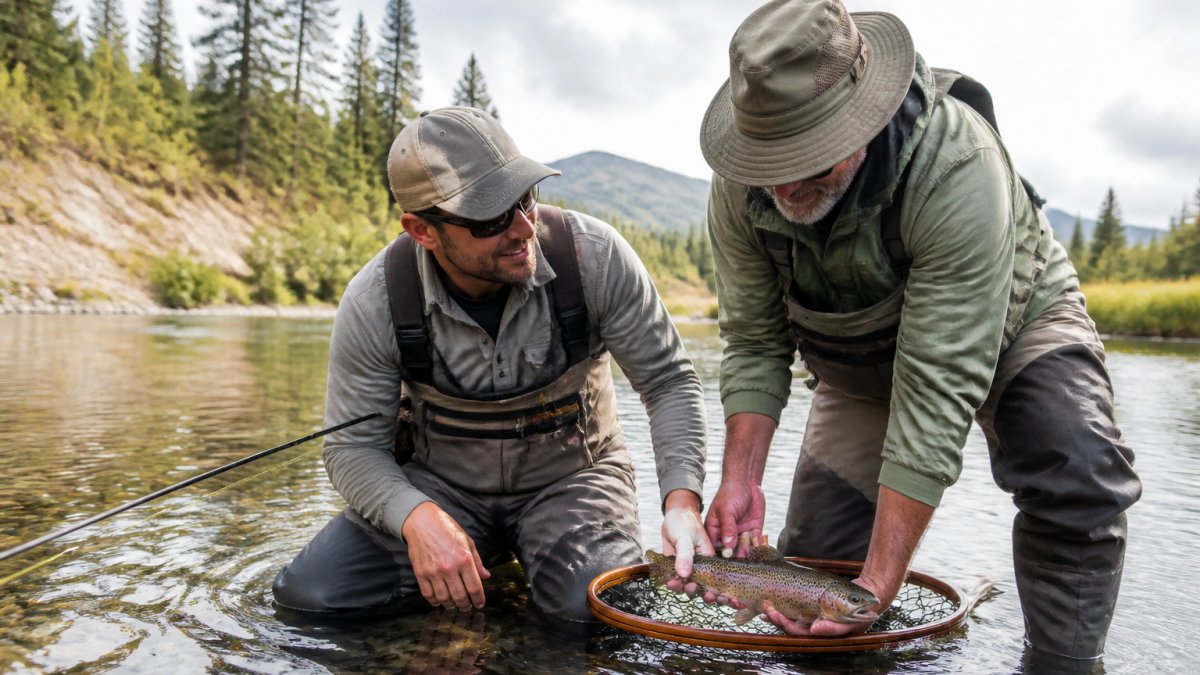
By the end of a full day, you'll have caught fish (conditions allowing), learned new techniques, and understood how to approach unfamiliar water, knowledge that carries into your solo trips.
Access to productive and private water
Local guides have permission to fish water that's off-limits to the public, and they know which public sections produce best and when.
A common mistake is assuming bigger rivers or famous stretches are always best.
Private water also means fewer people, no competing for space or fish. That solitude is part of the value, especially coming from a busy city.
Guided Fly Fishing Trip Preparation: What You Need to Know
Preparing for a guided trip isn't complicated, but doing it right makes the day better. Here's what to focus on:
Physical preparation. Fly fishing means hours of standing, wading, and casting. Spend a week or two on light cardio and arm exercises, it makes a real difference in how much you enjoy the day.
Gear check. If bringing your own rod and reel, make sure they work.
Clothing. Wear layers, river temperatures and weather shift quickly, and bring a rain jacket even if the forecast looks clear.
Mental preparation. Let go of expectations about fish counts. The best guided trips focus on learning, not the scorecard, fish are a bonus.
Logistics. Confirm meeting time and location, and ask about parking, what to bring, and what the guide provides.
A practical preparation timeline
One to two weeks out
- Confirm your booking, meeting point, and start time in writing.
- Buy your fishing licence and read the current regulations for the water you'll fish.
- Tell the guide about your experience level, any mobility limits, and what you most want to learn.
- Check the forecast and ask the guide about their weather and cancellation policy.
- If renting gear, reserve waders and boots in your size.
Two to three days out
- Break in your wading boots around the house or on a short walk.
- Pack layers, a rain shell, polarized sunglasses, a hat, sunscreen, and a water bottle.
- Charge your phone and camera; bring a small dry bag.
- Confirm any dietary needs if lunch is included.
The night before
- Lay out clothing and gear so the morning is calm.
- Check the meeting time and route, and plan to arrive 10-15 minutes early.
- Get a full night's sleep; casting tired is casting badly.
What the guide usually supplies vs. what you bring
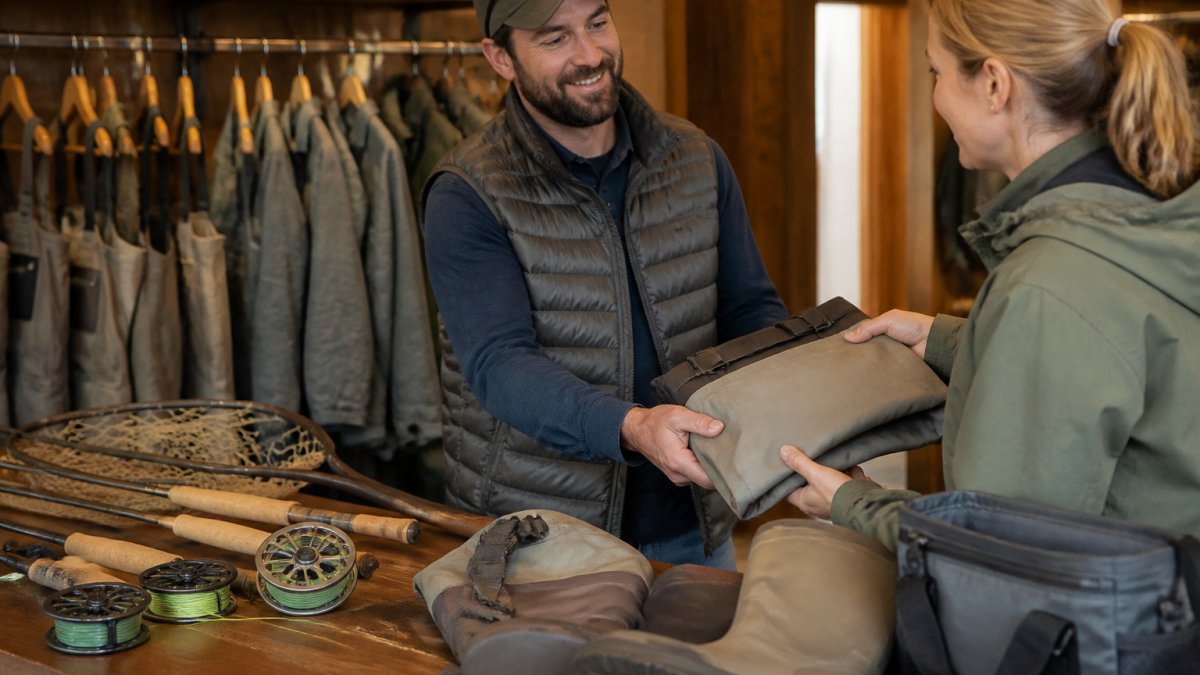
Most guides supply rods, reels, flies, leaders, tippet, and often waders and boots on request. Confirm this in advance. You should plan to bring your own licence, polarized sunglasses, layered clothing, rain gear, water, snacks, and any personal medication. If you own gear you're comfortable with, bring it, familiar tackle helps you learn faster. Consistent success on the water often hinges on upgrading your gear to match the specific demands of the river and the season.
How a typical guided day unfolds
- Meet and brief. Introductions, licence check, safety talk, and a plan for the day based on conditions.
- Gear up and walk in. Short drive or walk to the first run; the guide explains the water and the approach.
- Instruction block. 30-60 minutes of casting and presentation coaching.
- Fish the first run. Apply what you learned while the guide reads water and adjusts flies.
- Lunch and reset. A break to eat, re-rig, and talk through what's working.
- Afternoon session. More water, different techniques, and a debrief on what to practice next.
- Wrap-up. Gear return, feedback, and recommendations for your next solo trip.
If conditions change
Weather, flows, and closures can alter the plan. Reputable guides monitor conditions and will move to safer or more productive water, shorten the day, or reschedule. Ask upfront how decisions are made and what refund or credit applies. Flexibility often leads to better fishing than a fixed plan.
Who Should Book a Guided Trip, And Who Shouldn't
Book a guided trip if:
- You're brand new to fly fishing and want to learn the right way from the start
- You're visiting the area and want to maximize your time on productive water
- You've been fishing for a while but hitting a plateau and need fresh perspective
- You want to fish new water and don't have time to scout it yourself
- You have limited time and want to make the most of it
- You're interested in multi-day camping trips and want expert logistics support
Skip a guided trip if:
- You're already comfortable with casting and reading water and just want solo time on familiar rivers
- You're on a very tight budget and can afford to learn through trial and error
- You prefer fishing alone without instruction or conversation
- You've already booked multiple guided trips and have the local knowledge you need
The honest truth: some anglers get more value from a guide than others. Beginners almost always benefit. Experienced anglers who know the water well might not. It depends on what you're trying to accomplish.
Making the Decision: Is a Guided Trip Right for You?
Here's a simple framework:
Step 1: Define your goal. Learning to fly fish? Trying new water? Building specific skills? Time outdoors with friends? Your goal determines whether a guide is right.
Step 2: Assess your skill. Beginners benefit most. Intermediate anglers benefit if stuck or exploring new water.
Step 3: Consider your time. Limited time? A guide compresses the learning curve and boosts your odds. Fish regularly?
Step 5: Reach out to a guide. Explain what you're trying to accomplish.
Guided fly fishing trips are worth it if they match your goals and experience level.
At River People Guides, we work with anglers at every level.
Ready to book? Fishing and Hunting regulations guide covers licensing requirements and seasonal rules. Contact us to discuss your goals and find the right trip for you.
Frequently Asked Questions
Is a guided fly fishing trip worth it for beginners?
Yes, especially for beginners. A guide compresses the learning curve significantly, teaching casting, fly selection, and water reading in a single day rather than months of trial and error. You'll understand why certain techniques work and gain confidence on unfamiliar water. Beginners who hire guides typically catch more fish on their first outing and develop safer, more efficient habits from the start.
What does a guided fly fishing trip actually include?
Most guided fly fishing trips include on-water instruction, access to productive fishing locations, fly selection advice matched to current conditions, and assistance with knot-tying and presentation techniques. Many guides provide flies, help you land fish, and offer insights into local river conditions and fish behavior. Trip length varies from half-day to full-day or multi-day excursions. Always confirm specifics when booking, as offerings differ by guide and location.
Should I hire a fly fishing guide if I already have experience?
Yes, if you're hitting dry spells or want to fish new water. Experienced anglers benefit from a guide's local knowledge, understanding seasonal hatches, reading specific river sections, and accessing private or productive water you wouldn't find alone. Even skilled fly fishermen improve their presentation and catch rates with professional instruction tailored to their weaknesses.
How do I know if a guide is worth the cost?
Evaluate a guide based on their experience with your skill level, knowledge of the specific water you'll fish, and track record helping anglers achieve realistic goals. References and local reputation matter. Consider the value beyond catch numbers: improved technique, confidence, understanding of fish behavior, and access to quality water. If a guide helps you catch more fish and fish better on future solo trips, the investment pays dividends long-term.