 how-to
Rent Fly Fishing Gear Calgary: Complete Beginner's Guide
Table of Contents
- Why Rent Fly Fishing Gear Before You Buy
- Fly Fishing Gear for Beginners: What You Actually Need
- Fly Fishing Wader Rental: Fit, Comfort, and Care
- Understanding Fly Fishing Rental Cost and Packages
- Fly Fishing Gear Checklist: Complete Rental Setup
- Local Fishing Locations and Seasonal Availability
- Getting Started: Choosing and Using Rented Gear
- Frequently Asked Questions
Last Updated: October 14, 2026
Why Rent Fly Fishing Gear Before You Buy
When you rent fly fishing gear, you make one of the smartest decisions a beginner can make. You test the sport without dropping hundreds of dollars on equipment you might never use again, and you learn what works for your body, casting style, and local rivers before buying.
Many anglers discover they prefer different rod weights, reel actions, or wader styles after a few outings, so renting lets you experiment before committing.
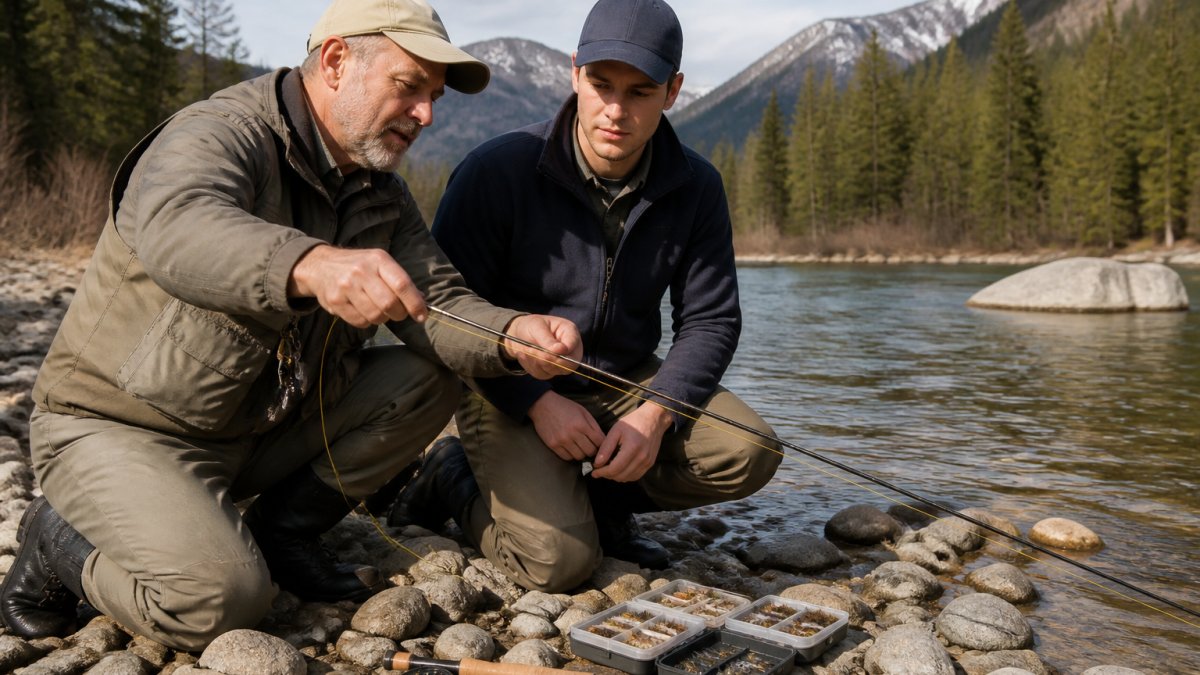
At River People Guides, we've guided hundreds of beginners through their first days on the water.
Renting also solves the maintenance problem: no cleaning waders, repairing leaders, or replacing worn fly lines; you focus on casting, reading water, and understanding fish behavior.
Fly Fishing Gear for Beginners: What You Actually Need
Starting fly fishing requires less gear than most people think: a rod, reel, line, leader, tippet, flies, and waders.
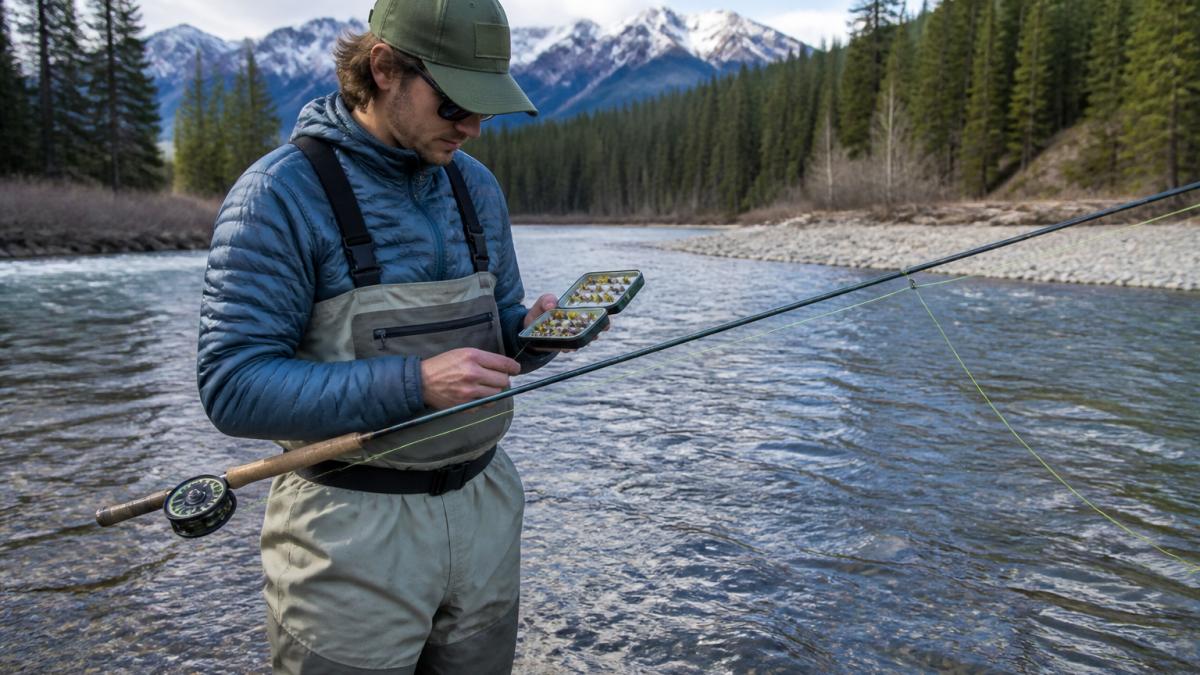
The mistake beginners make is treating all gear as equally important. A decent rod matters far more than a premium fly box, and good waders matter more than a fancy tackle organizer.
Fishing Rod and Reel Selection
A fly rod and reel are your foundation.
The rod should feel balanced in your hand; too light and you'll fatigue, too heavy and you'll fight it all day. Renting confirms the weight feels right before buying.
Reels do one job: hold your line and provide drag when a fish runs. A basic reel with smooth drag works fine; focus on the rod first.
Fly Line, Leader, and Tippet Essentials
Your fly line connects rod to leader and is what you actually cast.
A leader is a tapered monofilament section connecting your fly line to your tippet, the thin final section where your fly attaches.
Tippet diameter determines what size flies you can tie on and how visible your line is to fish. Most beginners use 4X or 5X for small flies in clear water.
Fly Fishing Wader Rental: Fit, Comfort, and Care
Waders keep you dry and warm while you wade into rivers, one of the best reasons to rent first.
Waders come in two types: chest and waist. Chest waders are standard for fly fishing because they let you wade deeper where trout hold.
Fit is critical: too tight restricts movement and circulation, too loose lets water seep in.
Neoprene waders are warmer but heavier and slower to dry; breathable waders are lighter but less warm.
Wading boots should have good ankle support and a sticky sole for gripping river rocks.
Understanding Fly Fishing Rental Cost and Packages
This section breaks down what a complete rental kit contains, how pricing is structured, and what to confirm before you pay a deposit.
What a Complete Rental Kit Should Include
A genuine fly-fishing rental, not a generic outdoor-gear rental, should hand you a matched, fishable setup. Confirm these are included before you book:
- Rod and reel, matched to each other and to the water you'll fish (a 9-foot 5-weight or 6-weight is the standard all-rounder for regional rivers)
- Fly line, already spooled and attached, weight-forward floating is the default
- Leader and tippet, typically pre-rigged, with spare tippet spools
Items frequently not included: polarized sunglasses, a fishing vest or pack, nippers, forceps, floatant, and a valid sportfishing licence. Some shops rent these as add-ons; others expect you to bring your own.
How Rental Pricing Is Usually Structured
Pricing varies by shop, season, and package, so treat any online figure as a starting point and confirm by phone or in person. Rentals are typically structured along these lines:
- Half-day, a few hours, often the cheapest entry point; best for a first taste
- Full day, morning pickup to evening return; the most common option
- Multi-day / weekly, discounted per-day rate; the right choice for a multi-day float or a road trip
Expect a refundable security deposit on top of the rental fee, reflecting the kit's replacement value; a full wader-and-rod package carries a larger deposit than rod-and-reel only. Deposits are usually authorized on a credit card rather than charged outright.
Deposits, Damage, and Late Returns
Before you sign, get clear answers to these four questions:
- What counts as damage? Normal wear, scuffed wading boots, a frayed leader, is usually fine. Punctured waders, a broken rod tip, or a lost reel are not.
- What's the late-return policy? Many shops charge a pro-rated daily rate for each day past the return window, and some convert the deposit into a purchase if the gear isn't returned.
- Is loss covered? A dropped net or a fly box left on the bank is a common beginner mistake. Ask whether loss is deducted from the deposit or billed separately.
- Is cleaning required? Most shops ask you to rinse waders and boots and return them dry. Returning muddy, wet gear can trigger a cleaning fee.
Booking Requirements and Lead Time
Walk-in rentals are sometimes possible, but during peak season (roughly May through September) popular sizes, especially wading boots and chest waders, sell out. Book 24-72 hours ahead; for a July or August weekend, a week ahead is not unreasonable.
Most shops will ask for:
- A credit card for the deposit
- Photo ID
- Your height, weight, and boot size so they can pre-fit waders and boots
If you're visiting from out of town without a vehicle, ask whether the shop offers hotel delivery or a meet-at-the-river option.
A Note on Buying Versus Renting Long-Term
If you fish more than a handful of days per season, the math shifts toward buying, but only after you've rented enough to know your preferred rod weight, wader style, and boot fit. Renting first is how you avoid buying the wrong kit twice.
Fly Fishing Gear Checklist: Complete Rental Setup
Use this checklist to confirm you have everything before heading to the river.
| Item | Purpose | Check |
|---|---|---|
| Fly rod and reel | Cast and retrieve | ☐ |
| Fly line (attached) | Transmit casting energy | ☐ |
| Leader and tippet | Connect line to fly | ☐ |
| Flies (5-10 patterns) | Imitate natural insects | ☐ |
| Waders | Stay dry in water | ☐ |
| Wading boots | Grip river rocks safely | ☐ |
| Fly box | Organize and carry flies | ☐ |
| Net | Land caught fish | ☐ |
| Sunglasses | See fish and protect eyes | ☐ |
| Hat or cap | Block sun and reduce glare | ☐ |
Beyond rental gear, bring polarized sunglasses to cut glare and help you see fish, a hat to reduce eye strain, and layers; river temperatures change quickly.
Local Fishing Locations and Seasonal Availability
The Bow River is the region's anchor fishery, but it's not the only option, and rules change by waterbody and season. This section covers where to fish, when to go, what licence you need, and how to line up a rental around those constraints.
The Bow River
The Bow River flows through the city and downstream through urban, parkland, and rural stretches, holding healthy brown and rainbow trout populations with numerous public access points. It doesn't fully freeze, but winter fishing demands cold-weather gear and experience most beginners lack. Extending your time on the water often requires overnight stays near the riverbanks, where having affordable camping gear ensures you remain comfortable throughout the changing seasons.
Key seasonal patterns:
- Spring runoff (roughly May to mid-June), high, cold, and often off-color water. Fish are present but harder to locate. Many guides and rental shops steer beginners away from this window.
- Summer (late June through August), stable flows, warm days, and the most forgiving conditions for a first-timer. This is peak rental demand.
- Fall (September through October), cooling water, aggressive feeding as fish put on weight before winter, and fewer anglers on the water. Often considered the best all-around window.
Other Nearby Options
Beyond the Bow, the region offers smaller streams and stillwaters within a reasonable drive, foothills creeks and tributaries that fish well in summer and early fall, plus stocked or naturally reproducing stillwaters. Smaller water is more approachable for beginners: easier to read and less crowded.
If you're renting gear, ask the shop which local waters match the rod weight and flies they're issuing.
Licensing and Regulations
You need a valid sportfishing licence, available online and through many retailers including some fly shops. Beyond the licence, the rules that matter most to renters are:
- Waterbody-specific regulations, some stretches are catch-and-release only, some have bait bans, some have gear restrictions, and some are closed entirely during certain periods.
- Seasonal closures, many flowing waters close to fishing outside a defined open season to protect spawning fish. Always confirm the open dates for the specific water you plan to fish.
- Bait and gear rules, fly-fishing-only waters exist, and rules on lead, barbed hooks, and single-hook requirements vary.
Regulations change annually, so check current provincial fishing regulations before every trip rather than relying on last year's page.
Rental Logistics and Accessibility
Rental availability tracks the fishing season: most shops stock their full fleet from late spring through early fall, with reduced or no inventory in deep winter. For a shoulder-season trip, call ahead; don't assume the online booking page reflects actual stock.
Practical logistics to sort out before your trip:
- Pickup and return windows, most shops open early enough for a dawn start, but confirm the exact hours, especially on weekends and holidays.
- Sizing, bring your height, weight, and boot size, or better, get fitted in person. Ill-fitting waders are the single most common source of a bad first day.
- Transport, waders and boots take up space. If you're traveling without a vehicle, ask about delivery, meet-at-the-river, or a shop located near public transit or a rental car pickup.
Matching Your Rental to the Season
A rental kit that works in July may not work in October. Summer calls for a lightweight breathable wader and a 5-weight rod. Fall or shoulder season means layering under breathable waders and considering a heavier rod for wind. Winter requires insulated waders, gloves, and a guide who knows cold-water patterns, not a beginner rental scenario.
The single most useful thing you can do before renting is call the shop, tell them the exact water and date you plan to fish, and ask them to match the rod weight, tippet size, and wader type to those conditions. A generic rental kit is fine; a matched one is better.
Getting Started: Choosing and Using Rented Gear
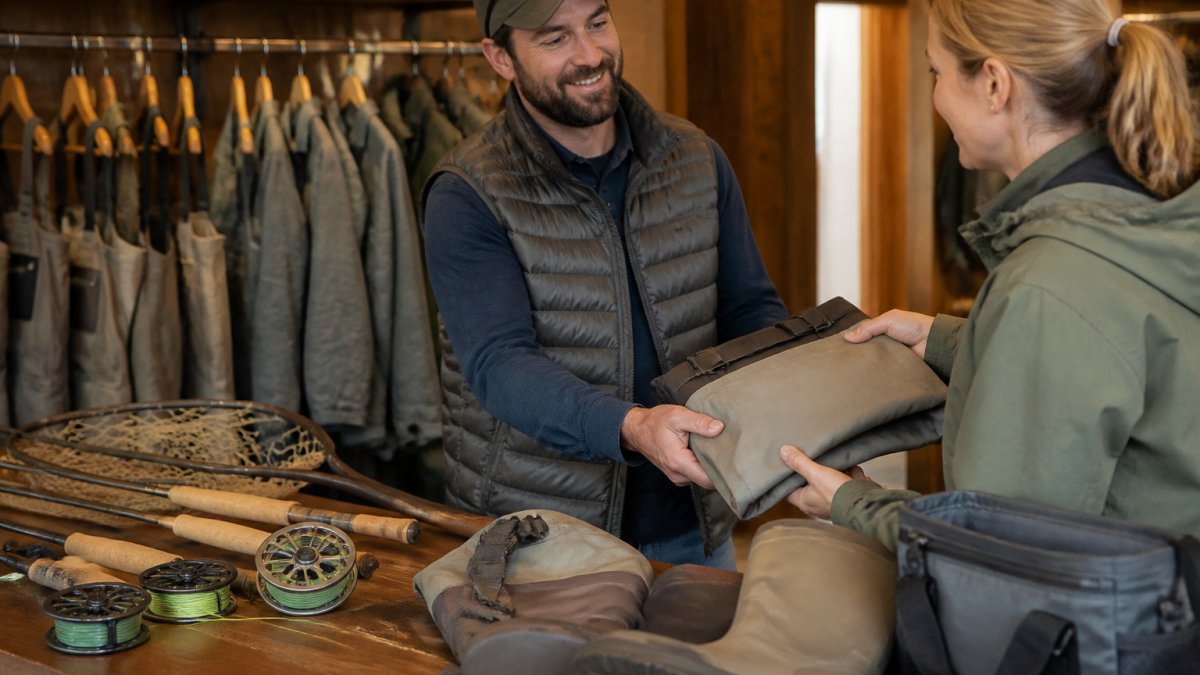
Your first step is visiting a rental shop and explaining you're a complete beginner.
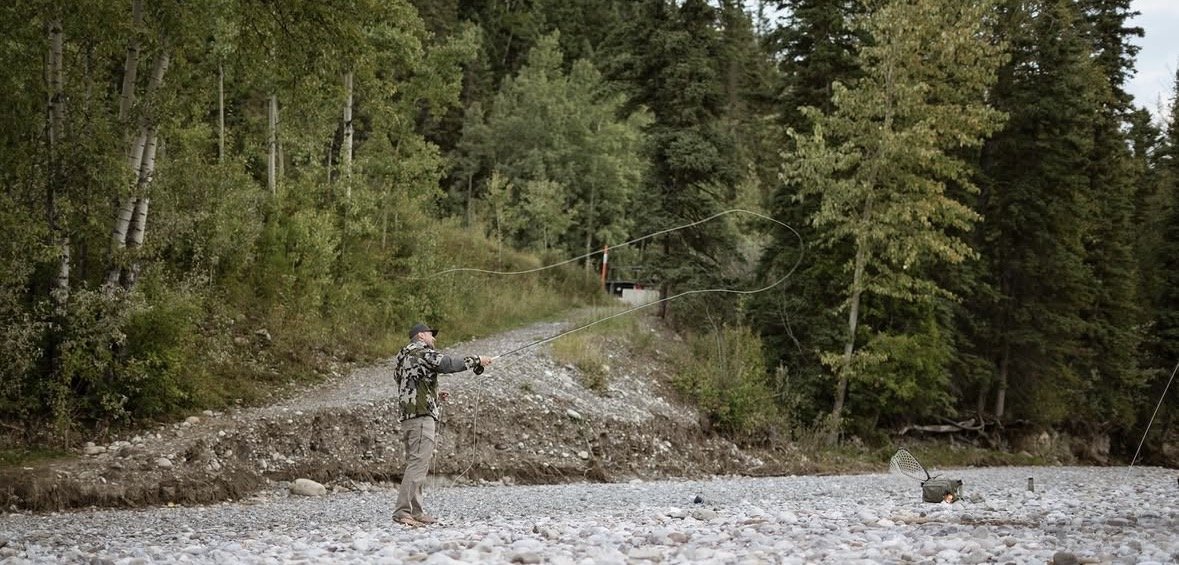
Practice your cast before fishing.
On the river, start in shallow water where you can see the bottom.
A common mistake is covering too much water.
The thing nobody tells you about fly fishing is how much of it is patience.
Renting fly fishing gear removes the barrier to entry.
Frequently Asked Questions
Where can I rent fly fishing gear?
River People Guides, based just outside the city, offers complete fly fishing gear rental packages. Local fly shops and outfitters in the area also provide rental services. Contact rental providers directly to confirm current availability, rental periods, and what's included in their packages. Many offer same-day or advance booking options.
Can beginners rent a complete fly fishing setup?
Yes. Rental packages typically include a fishing rod, reel, fly line, leader, tippet, waders, wading boots, and a fly box with assorted flies. Beginners should ask rental providers what's included before booking. If you're completely new to fly fishing, consider booking a guided trip where a professional guide can help you select and use the right gear for your skill level.
What should I ask before booking a fly fishing gear rental?
Ask about rental duration options (daily, multi-day), what equipment is included, deposit requirements, cancellation policy, and whether the rental provider offers guidance on gear selection. Confirm sizing for waders and boots, and ask about local fishing regulations and which rivers or streams are best for your experience level. Get clear pricing details and understand any damage or loss policies.
Should I rent or buy gear for a guided fly fishing trip?
Renting is ideal if you're new to fly fishing or testing the sport before investing. Rental gear from established providers is well-maintained and suitable for beginners. If you're planning multiple trips or already know you enjoy the sport, buying your own equipment may be more economical long-term. Discuss your plans with a guide or shop staff to determine what makes sense for your situation.
Frequently Asked Questions
Where can I rent fly fishing gear near Calgary?
River People Guides, based in Bragg Creek just 20 minutes from Calgary, offers complete fly fishing gear rental packages. Local fly shops and outfitters in the area also provide rental services. Contact rental providers directly to confirm current availability, rental periods, and what's included in their packages. Many offer same-day or advance booking options.
Can beginners rent a complete fly fishing setup?
Yes. Rental packages typically include a fishing rod, reel, fly line, leader, tippet, waders, wading boots, and a fly box with assorted flies. Beginners should ask rental providers what's included before booking. If you're completely new to fly fishing, consider booking a guided trip where a professional guide can help you select and use the right gear for your skill level.
What should I ask before booking a fly fishing gear rental?
Ask about rental duration options (daily, multi-day), what equipment is included, deposit requirements, cancellation policy, and whether the rental provider offers guidance on gear selection. Confirm sizing for waders and boots, and ask about local fishing regulations and which rivers or streams are best for your experience level. Get clear pricing details and understand any damage or loss policies.
Should I rent or buy gear for a guided fly fishing trip?
Renting is ideal if you're new to fly fishing or testing the sport before investing. Rental gear from established providers is well-maintained and suitable for beginners. If you're planning multiple trips or already know you enjoy the sport, buying your own equipment may be more economical long-term. Discuss your plans with a guide or shop staff to determine what makes sense for your situation.