 blog
blog
Best Fly Fishing Spots Near Bragg Creek
Table of Contents
- Top Fly Fishing Spots Near Bragg Creek
- Bragg Creek Fishing Access: Where to Start
- Best Time to Fly Fish Alberta Waters
- Alberta Fishing License Requirements
- Fish Species and Seasonal Fly Selection
- Planning Your First Fly Fishing Trip
- Why Local Guides Make the Difference
- Frequently Asked Questions
Last Updated: October 16, 2026
Top Fly Fishing Spots Near Bragg Creek
Planning a fly fishing trip near Bragg Creek isn't about finding good water, it's about choosing which rivers and creeks deserve your time first. The Elbow River, Sheep River, and Cataract Creek each offer distinct experiences, from technical dry-fly water to productive walk-and-wade sections.
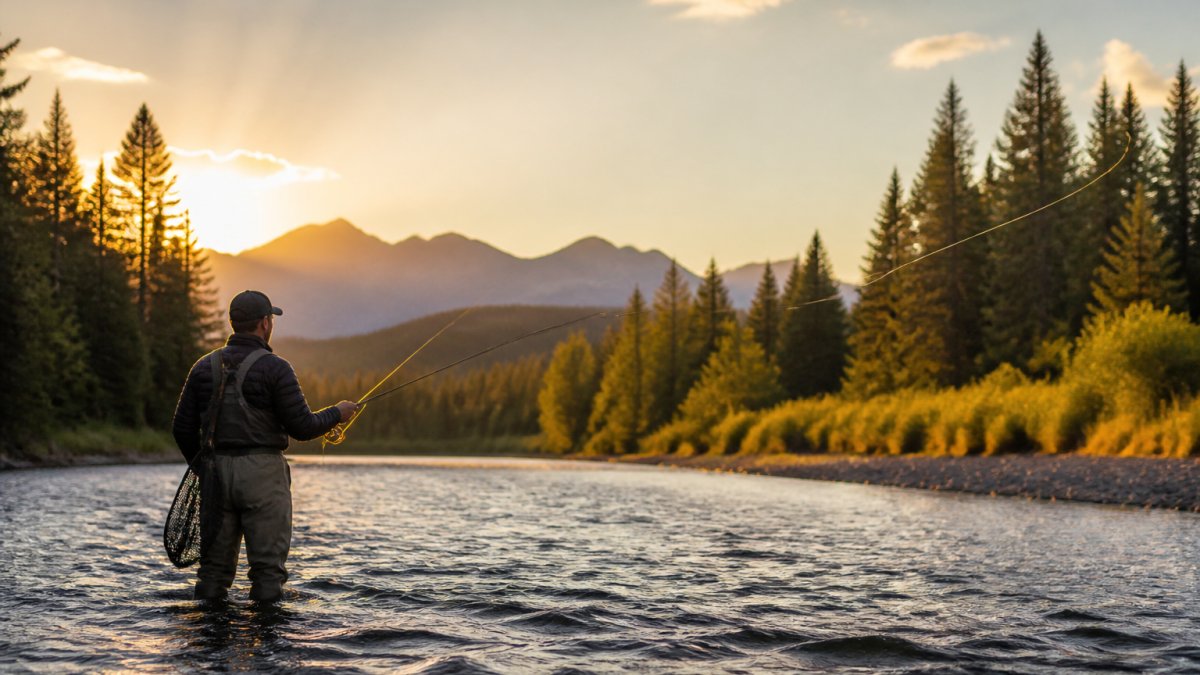
The rivers near Bragg Creek aren't just close to Calgary, they're among Alberta's most rewarding fly fishing destinations, delivering consistent opportunities for beginners and experienced anglers alike.
Elbow River Fly Fishing Access and Tactics
The Elbow River is the workhorse of fly fishing spots Bragg Creek, flowing through terrain from tight canyons to wide pools holding substantial trout.
The upper Elbow fishes well on dries in summer mornings when mayflies and caddis are active; small patterns, size 16 to 20, work best when fish are selective. In low light and into fall, weighted nymphs produce consistently.
Spring runoff muddies the Elbow, but by mid-June it clears and becomes highly fishable. Fall brings the most stable conditions and some of the year's best dry-fly fishing.
Sheep River: Walk-and-Wade Opportunities
The Sheep River is shallower and more technical than the Elbow, rewarding anglers who read water carefully and present flies precisely. Walk-and-wade sections dominate the accessible stretches, ideal for anglers who prefer mobility.
Sheep River conditions improve dramatically after mid-summer when flows drop and the water clears, making selective trout the norm. Small dries and emergers dominate; fish rise throughout the day, but the best window is late afternoon.
Access is straightforward along several day-use areas, and the river's moderate width means accuracy and presentation matter far more than casting distance.
Cataract Creek and Hidden Tributary Waters
Cataract Creek is where many anglers discover their best fly fishing spots Bragg Creek. This smaller creek holds wild trout and sees less pressure than the larger rivers. Its cold, clear water responds to well-presented flies, with terrestrials and small attractors producing reliable summer takes.
Tributaries feeding the Elbow and Sheep often go overlooked. They demand shorter casts, stealth, and smaller flies, but hold eager trout and offer solitude the main rivers can't match, especially on weekends.
Bragg Creek Fishing Access: Where to Start
Finding reliable access to fly fishing spots Bragg Creek starts with knowing the difference between public day-use areas, road-allowance pull-offs, and private land. Most anglers waste time treating all nearby water as equally accessible. Pick a primary access point, confirm it's open, and have a backup within a short drive.
Verified access points to start with
- Bragg Creek Provincial Park (Elbow River): The most straightforward entry, with day-use parking, outhouses, and marked trails putting you on the Elbow within minutes. Fish upstream or downstream depending on crowds; best first stop for a half-day outing.
- Elbow River downstream of the park: Several road-allowance pull-offs give walk-and-wade access. These are informal, so park only where legal and obvious, never blocking gates or driveways, and expect a short walk to the water.
- Sheep River day-use areas: Multiple designated areas provide parking and trail access to walk-and-wade water, the cleanest options for anglers wanting facilities and a clear starting point.
- Cataract Creek: Access is limited and less developed. Use designated staging areas where they exist and respect closures. Best suited to anglers comfortable with tight casting and stealth.
How to verify access and regulations before you go
Access changes: water levels, seasonal closures, and temporary restrictions shift throughout the year. Before any trip, check current Alberta fishing regulations for your specific waterbody and confirm the stretch is open. The annual regulations summary lists waterbody-specific rules, including catch-and-release sections, bait bans, and seasonal closures.
A simple pre-trip checklist:
- Confirm the waterbody is open and not under temporary closure.
- Check whether the stretch is catch-and-release only or has harvest limits.
- Confirm bait restrictions (many local waters are fly-fishing or artificial-lure only).
- Verify parking is legal and not on private land.
- Check flows and clarity, especially after rain or runoff.
Access constraints that catch anglers out
- Private land: Much of the shoreline near Bragg Creek is private; a river isn't automatically public to walk. Stay within the high-water mark where legal, or use designated access points.
- Seasonal closures: Spawning closures typically apply in spring and fall on some waters. These are not suggestions.
- Flow and wading hazards: The Elbow and Sheep rise quickly after rain. Wading staffs and studded boots are not optional on slick, cobbled bottoms.
- Crowds: Weekend pressure is real. Arrive early or fish upstream of main day-use areas for quieter water.
For the shortest path to productive water, start at Bragg Creek Provincial Park on the Elbow, then branch out to Sheep River day-use areas once you're comfortable reading water. Keep your regulations summary with your license and treat every access point as a privilege.
Best Time to Fly Fish Alberta Waters
Timing shapes your trip dramatically. Summer offers the most consistent conditions and longest fishing days: water temperatures stabilize, trout become active, and dry-fly fishing becomes reliable.
Fall brings cooler water and often the most selective trout.
Spring is challenging: snowmelt runoff keeps water high and discolored through May in most years, though conditions improve rapidly by late May and into June.
Time of day matters too. Early morning and late afternoon produce the most consistent rises; midday can work if you focus on subsurface presentations and shaded areas where trout hold.
Alberta Fishing License Requirements
Before fishing any river or creek near Bragg Creek, you need proper licensing. Alberta requires all anglers to hold a valid provincial fishing license, which is inexpensive and supports conservation efforts protecting these fisheries.
Licenses are available online through Alberta Environment and Protected Areas, at local retailers, and through some guide services. Daily, weekly, and annual options give you flexibility based on how often you plan to fish.
Specific regulations apply to each water: some sections are catch-and-release only, others allow harvest with species-specific limits. The Elbow, Sheep, and Cataract Creek each have their own restrictions.
Fish Species and Seasonal Fly Selection
Understanding what fish live in fly fishing spots Bragg Creek shapes your fly box strategy. The three main waters each fish differently, and species mix and tactics change by water and month. Matching flies to the water in front of you beats carrying every pattern in the shop.
Species by water
- Elbow River: Brown trout dominate, with fewer rainbow trout. Fish are selective, holding in deeper runs, behind boulders, and under cut banks. Expect technical summer dry-fly fishing and consistent year-round nymphing.
- Sheep River: Brown trout are the primary target, with some rainbow trout. Shallower and more technical, it rewards presentation over pattern choice. Fish rise to small dries and emergers, especially late afternoon.
- Cataract Creek: Wild trout, mostly smaller and eager. Less pressure means fish readily take a well-presented dry, making this a good water to build confidence.
- Tributary creeks: Smaller fish, often wild, and spooky. Short casts, stealth, and small flies are the norm. Solitude is the reward.
Seasonal fly selection by water
Spring (late May to June): Runoff keeps the Elbow and Sheep high and discolored into late May in most years.
Summer (July to August): The best dry-fly window. On the Elbow, small mayflies and caddis in sizes 16-20 work mornings. On the Sheep, emergers and small dries dominate, especially late afternoon.
Fall (September to early October): Stable flows and clear water make this the most selective period, with golden stoneflies and late-season mayflies.
Winter: Possible but specialized. Slow down, use small nymphs, and target deep, slow water. Expect fewer fish and more challenge.
A practical fly box for these waters
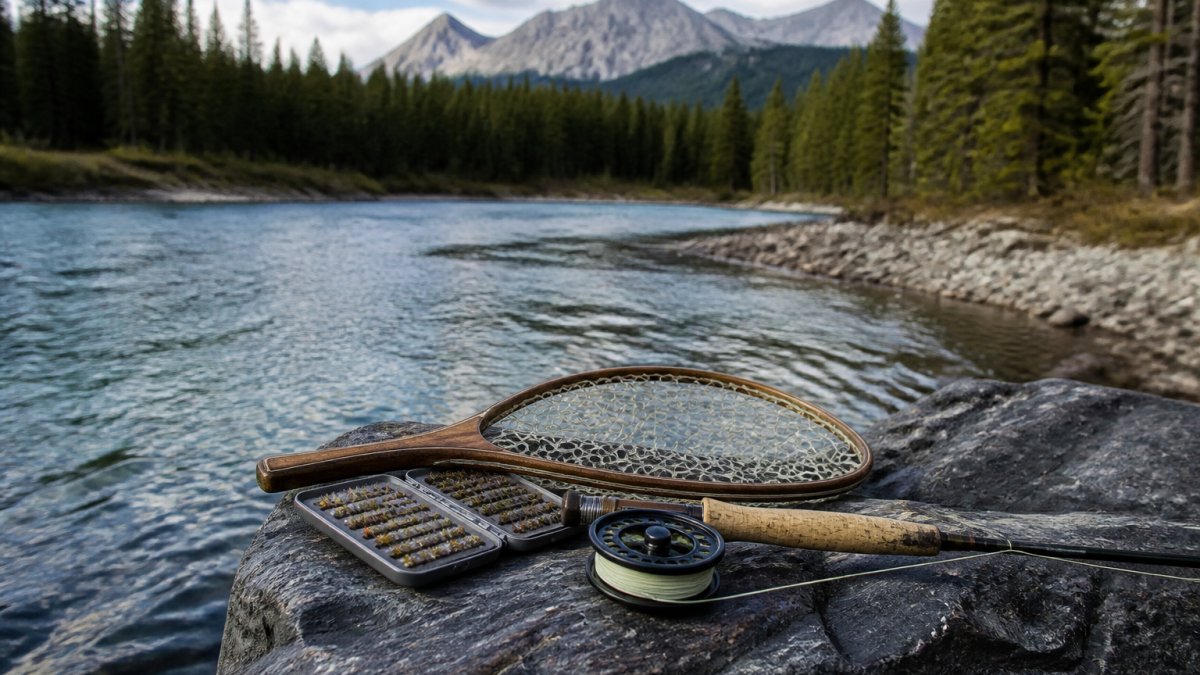
- Dry flies: Parachute Adams (16-20), Elk Hair Caddis (14-18), Stimulators (12-16), small terrestrials (12-16).
- Nymphs: Pheasant Tail (12-18), Hare's Ear (12-18), beadhead patterns for current, soft-hackles for emergers.
- Streamers: Small, sparse patterns for fall and low-light conditions.
How conditions change tactics
Water clarity and temperature drive everything. Cold, clear water means smaller flies, longer leaders, and precise presentations; off-color water after rain means larger, darker patterns and more attention to depth. On the Elbow, target boulders, undercut banks, and depth changes. On the Sheep, target seams and riffles. On Cataract Creek, stay low and cast short.
The anglers who do best here aren't the ones with the most flies, but those who read the water, match the season, and adjust when the first approach fails.
Planning Your First Fly Fishing Trip
Your first fly fishing trip near Bragg Creek should prioritize learning over catch count.
Pack more flies than you think you'll need; losing them to trees, rocks, and aggressive takes is part of fly fishing. Backups prevent frustration, and a small tackle bag keeps everything organized.
Start with simple presentations. Dry-fly fishing teaches you to read water and understand fish behavior; once comfortable on the surface, nymphing opens deeper, more productive sections. Build skills systematically rather than trying everything at once.
Why Local Guides Make the Difference
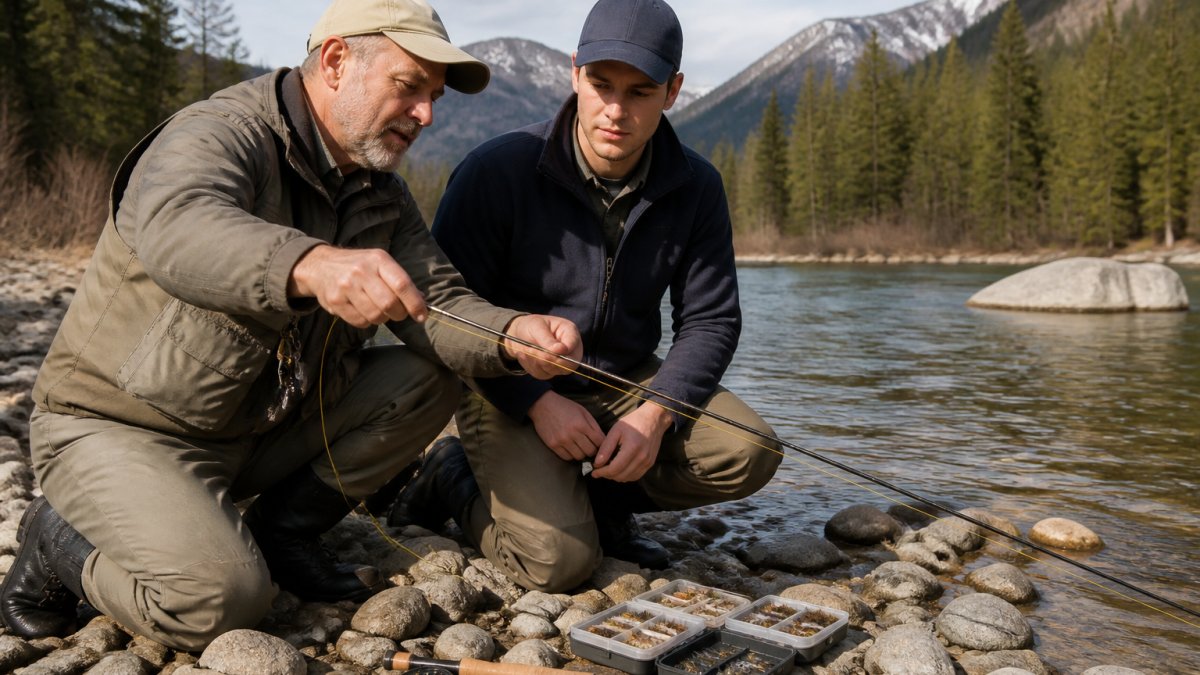
Hiring a guide for your first fly fishing trip near Bragg Creek dramatically accelerates your learning curve.
River People Guides offers expert-guided trips combining instruction with access to hidden spots. Our guides know the Elbow, Sheep, and Cataract Creek intimately, matching your skill level with appropriate water, and adjusting tactics to conditions.
A guided trip also handles logistics. Where to go, what to bring, how to navigate access, guides eliminate the guesswork. You show up, fish, and learn from someone who's spent years on these waters.
Planning a fly fishing trip near Bragg Creek means choosing between world-class water and endless learning opportunities.
The difference between a frustrating day and a successful one often comes down to local knowledge. From gear selection to guided trips to advice on current conditions, we're here to ensure your time on the water is unforgettable. Alberta's official fly fishing regulations outline the rules that keep these fisheries healthy for everyone.
Frequently Asked Questions
What is the best fly fishing spot near Bragg Creek for beginners?
The Elbow River near Bragg Creek Provincial Park offers beginner-friendly fly fishing with accessible wading areas and consistent fish activity. Sheep River is another excellent choice with clear water and defined pools. Both waters have day-use access and moderate flows suitable for learning casting technique. A local guide can help you identify the safest entry points and show you where fish hold during different seasons.
When is the best time to fly fish Alberta rivers near Bragg Creek?
Spring runoff (May to early June) brings high water levels; summer (July-August) offers stable conditions and dry-fly fishing. Fall (September-October) features cooler water, active fish, and excellent terrestrial insect patterns. Winter closures apply to certain waters. Each season requires different fly selections and tactics. Check current Alberta regulations for specific closure dates on the water you plan to fish.
Do I need an Alberta fishing license to fly fish near Bragg Creek?
Yes, an Alberta fishing license is mandatory for all anglers aged 16 and older. You can purchase a daily or annual license through Alberta Environment and Protected Areas. Licenses are available online or at authorized retailers. Your license must be carried while fishing. Catch limits and species restrictions vary by water, so review the specific regulations for the river or creek you plan to fish.
Can I access the Elbow River for fly fishing without a guide?
Yes, the Elbow River has several public access points near Bragg Creek where walk-and-wade fishing is permitted. However, local knowledge of safe entry points, current fish behavior, and seasonal tactics significantly improves your success. A guide can teach you which flies work best each season, how to read water conditions, and where fish concentrate during different flows. Many anglers find guided trips accelerate their learning curve.