 Listicle
Best Fly Fishing Waders 2026: Top Picks Tested
Quick Summary
The best fly fishing waders for 2026 include the Simms G3 Guide as an all-around pick, the Orvis Clearwater as a budget option, and the Patagonia Swiftcurrent for premium buyers. Choose stockingfoot waders if you want separate boots for support, or bootfoot waders for simplicity.
- Simms G3 Guide is the wader that appears most often as an overall pick.
- The Orvis Clearwater Stockingfoot is the value pick that multiple guides name.
- Stockingfoot waders only perform as well as the boots worn with them.
- Measure chest, waist, hip and inseam, and size for the layers you will wear.
- Breathability depends on construction, so judge waders by fabric and layering fit.
Table of Contents
- How We Evaluated the Best Fly Fishing Waders for 2026
- Quick Comparison: Top Fly Fishing Waders at a Glance
- Best Overall and Premium Fly Fishing Waders
- Best Budget Fly Fishing Waders Worth the Money
- Best Breathable Fishing Waders for Warm and Cold Water
- Stockingfoot vs Bootfoot Waders: Which Format Fits You
- Best Waders for Women and Fit-Specific Needs
- Booking Your First Guided Trip With River People Guides
- Frequently Asked Questions
Last Updated: November 7, 2026
How We Evaluated the Best Fly Fishing Waders for 2026
Choosing waders is one of the few gear decisions that can make or break a day on the water. A leaky pair in cold water is miserable within an hour. Our team at River People Guides put together this guide to help Canadian anglers sort through the options before they spend their money.
Waders come in two main formats, stockingfoot and bootfoot, and the right choice depends on your water, your footwear, and how much you move around. Fly fishing waders for 2026 are being built with many fabrics, seam constructions and fit options, so it helps to know what to look for before you start comparing models.
We looked at waders that appeared across several current buying guides, then focused on the features anglers ask about most: waterproofing, breathability, fit, durability and price. Where a product's specifications or pricing were not verified, we say so rather than guessing.
Quick Comparison: Top Fly Fishing Waders at a Glance
Here is how the leading models stack up at a glance. Prices are not listed here, since pricing varies by size, retailer and current exchange rates. Check the manufacturer or your local shop for current CAD pricing.
| Wader | Format | Best For | Recognized As |
|---|---|---|---|
| Simms G3 Guide | Stockingfoot | All-around use | Best overall pick |
| Orvis Clearwater | Stockingfoot | Lower-cost buyers | Best value pick |
| Patagonia Swiftcurrent | Varies | Premium buyers | Premium pick |
| Skwala RS | Varies | All-around use | Best overall pick |
| Grundéns Boundary Zip | Stockingfoot | Zip-front preference | Top pick |
| Orvis PRO | Varies | Premium-oriented buyers | Best overall pick |
| Simms G4Z Zipper | Zip-front | High-end zip-front buyers | Top pick |
| Skwala Carbon | Varies | Specialized use | Top pick |
| Redington Sonic Pro HDZ | Varies | Mid-range buyers | Mid-range pick |
Most of the models in this table appear in several buying guides, which tells you they are widely regarded. The format column matters more than many anglers expect, so read the next sections before you choose.
Best Overall and Premium Fly Fishing Waders
The Simms G3 Guide is the wader that shows up most often as an overall pick. It is a stockingfoot design, so you pair it with separate wading boots. That gives you control over traction and support, which is useful on slippery Alberta river stones.
Skwala's RS model also earns best-overall recognition from more than one publication. If you want a premium option with a strong reputation, the Patagonia Swiftcurrent family is a common recommendation. The zip-front Simms G4Z sits at the high end of the price range, so budget accordingly. Pricing depends on size, retailer and current exchange rates, so check the manufacturer or a local shop for current CAD pricing.
Premium waders justify their cost when you fish frequently in cold water or spend long days wading. For occasional trips, a mid-range pair often serves you just as well.
Watch out: Stockingfoot waders only perform as well as the boots you wear with them. A loose or poorly fitting boot can make even a premium wader feel unstable.
Best Budget Fly Fishing Waders Worth the Money
If you are starting out, the Orvis Clearwater Stockingfoot is the value pick that multiple guides name. Confirm the current CAD price with the retailer before you buy, because exchange rates and import costs change.
Budget waders usually trade some durability and fit refinement for a lower price. For a first season, that trade is often worth it. You can always upgrade once you know how often you fish and where.
A common mistake is buying the cheapest pair without checking the seams and reinforcements. Look at knee and seat reinforcement, and ask whether the seams are taped. Those details decide how long a budget wader lasts.
Best Breathable Fishing Waders for Warm and Cold Water
Breathability is the feature anglers misunderstand most often. A breathable wader is not a wader that lets water in; it is a wader built from a membrane or coated fabric that lets water vapor escape while blocking liquid water. The mechanism matters because it explains the trade-offs you feel on the water.
Breathability claims on hang tags are often measured under laboratory conditions that may not match a day of casting and wading. Treat any marketing number with caution and judge a wader by its construction.
Warm weather and summer flows. On hot days, the goal is to move sweat vapor away from your body before it condenses. A lightweight three-layer breathable wader worn over a thin synthetic base layer works better than a heavier wader with insulation. Avoid cotton next to the skin; it holds moisture and defeats the membrane.
Cold water and shoulder seasons. In cold water, breathability and insulation are separate jobs. The wader blocks water; your layering system provides warmth. A common pattern is a merino or synthetic base layer, a fleece midlayer for colder days, and a breathable wader over the top.
Layering for changing conditions. Build a system you can strip down. Start with a synthetic base layer, add a fleece or grid-fleece midlayer, and carry a lightweight shell or extra layer in your pack for afternoon wind. The wader itself should fit over your layers without binding at the knees or shoulders.
Watch out: A breathable wader that fits too snugly over thick layers compresses the insulation and reduces both warmth and moisture transfer, so size for your coldest layering system, not your summer base layer.
What to look for by season. For summer, prioritize a lightweight three-layer laminate, minimal insulation, and good venting or a chest pocket you can open. For spring and fall, prioritize a heavier three-layer fabric, reinforced knees and seat, and room for a midlayer.
Stockingfoot vs Bootfoot Waders: Which Format Fits You
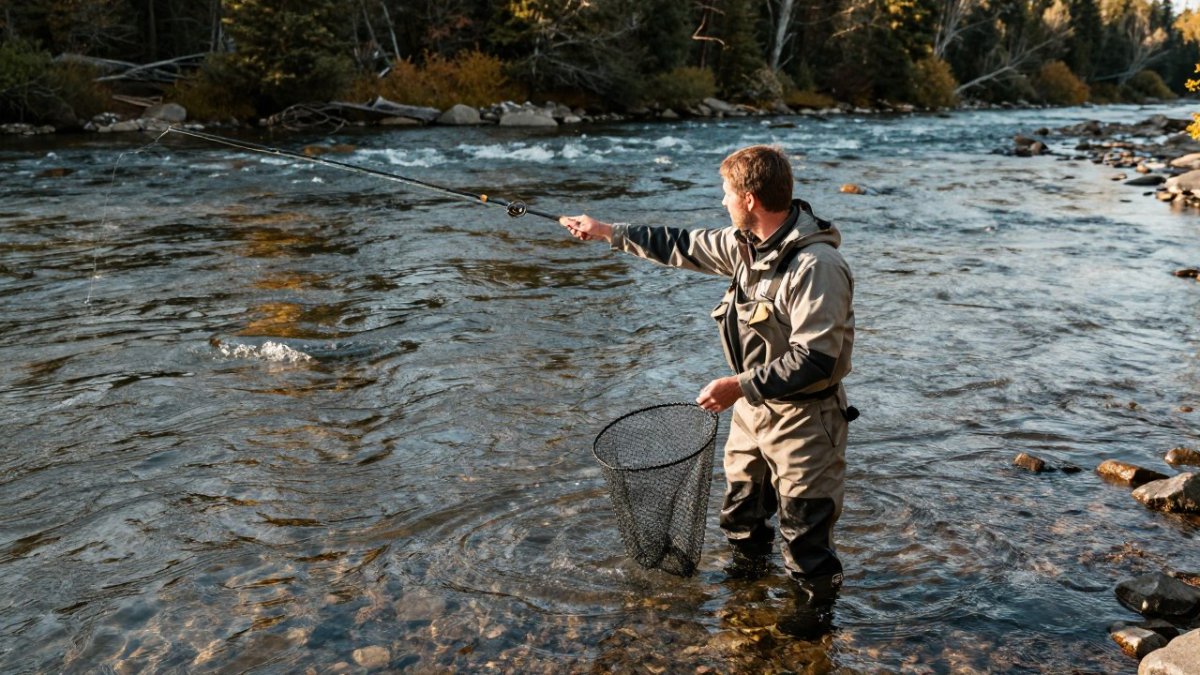
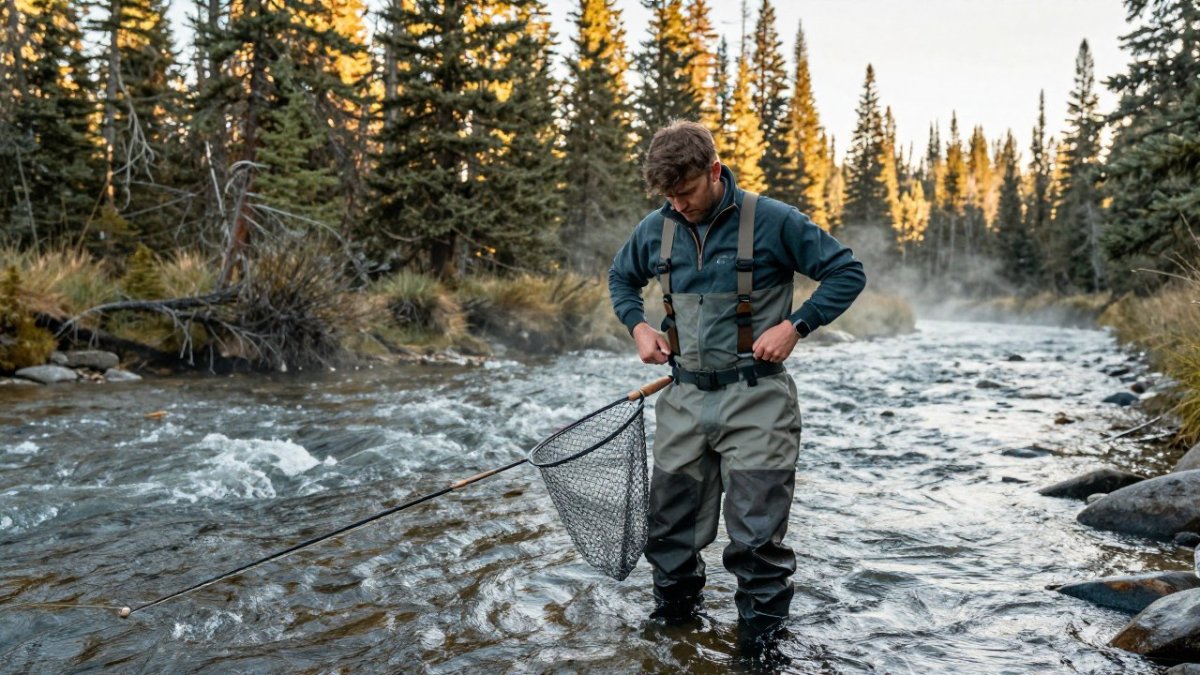
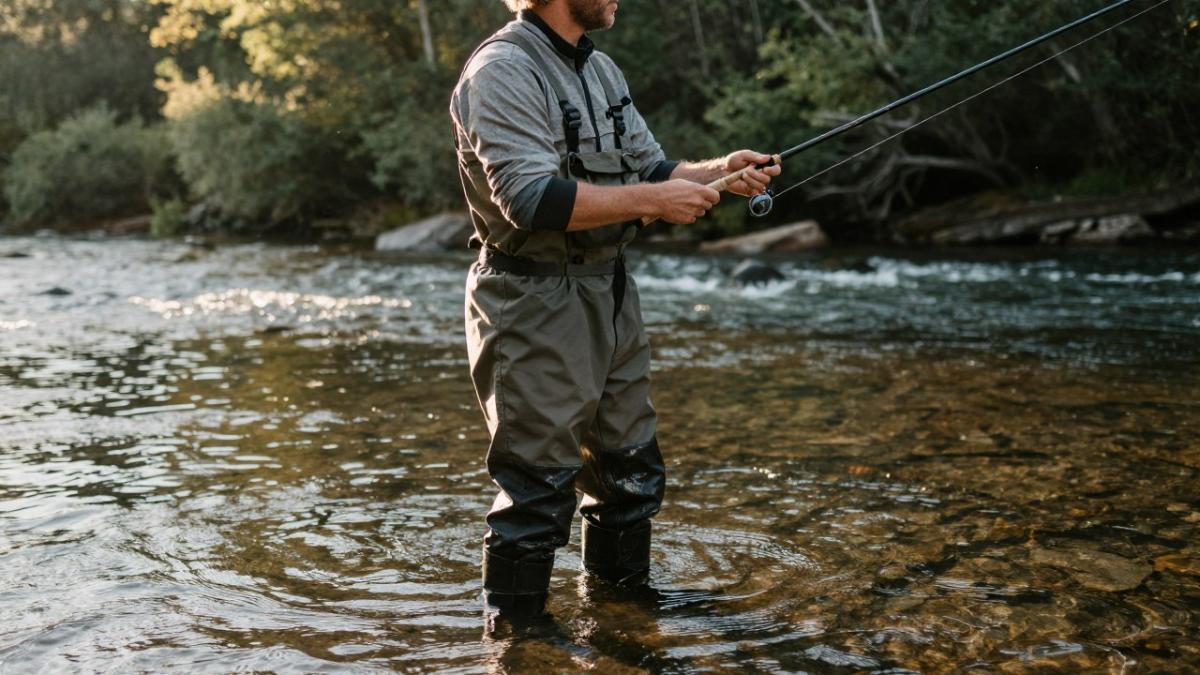
Stockingfoot waders attach to a separate boot, usually a wading boot with felt or rubber soles. They offer more ankle support and let you choose your footwear, which suits anglers who wade rough, rocky rivers. The trade-off is that you need to buy and maintain boots separately.
Bootfoot waders have the boot built into the wader. They are simpler to put on and carry, which many anglers prefer for hiking to remote water. They can feel less supportive on uneven ground, and they are harder to replace if the boot wears out.
That combination gives you the most control on slippery stones.
Best Waders for Women and Fit-Specific Needs
Fit is where most wader purchases go wrong, and the problem is structural: many waders are built on a unisex pattern that assumes a longer torso, narrower hips, and a straighter leg than many anglers have.
Measure before you buy. Take four measurements with a soft tape: chest or bust at the fullest point, waist at the natural waistline, hip at the widest point, and inseam from crotch to ankle bone. Also note your height and torso length, measured from the base of the neck to the waist. Compare these to the manufacturer's size chart, not to your everyday clothing size. A common pattern is that anglers who wear a medium in street clothes need a large in waders to allow for layering and freedom of movement.
Allow for layering. Size for the layers you will wear in the coldest conditions you fish, not for a summer base layer. Add roughly one to two inches of ease at the chest and hips beyond your body measurements to accommodate a base layer and a fleece midlayer without compressing them.
Fit considerations by body type. Shorter anglers often find that standard waders are too long in the torso and leg, which causes the crotch to sag and the knee to sit in the wrong place.
Women's-specific lines. Orvis offers a women's version of its Clearwater line, and it is worth trying on before you buy because women's patterns typically adjust the bust, waist, and hip proportions rather than simply shrinking a unisex pattern.
Test the fit before you fish. When you try waders on, wear the base layer and midlayer you expect to use. Sit down, crouch, climb over a log, and simulate a cast. A wader that fits well while standing can bind or gap when you bend.
Watch out: A wader that is too long in the inseam will wear through at the heel and drag in the water, while one that is too short will pull at the crotch and stress the seams, so inseam length deserves as much attention as chest and hip measurements.
Fit-specific needs beyond gender. Anglers with limited mobility, shorter arms, or broader shoulders may benefit from zip-front models that are easier to put on and take off, and from adjustable suspenders that let you tune the torso length. If you fish from a boat or float tube, check that the wader allows a full seated position without pinching.
Booking Your First Guided Trip With River People Guides
Buying the right waders is only half the job. Knowing where to fish and how to read the water makes the bigger difference, especially on your first trip. Our guides have deep understanding of local rivers, streams, and lakes, and can help you find where the fish hold. You can learn how to book a guided trip with flexible dates and see what to expect from the process.
Whether you are new to fly fishing or experienced, our guides offer access to expert knowledge and advice for all skill levels, including discovery of hidden fishing spots. You can book a guided fly fishing trip with River People Guides, and see the women's waders we stock if you want to try a fitted model before you buy.
We also offer rental gear for beginners, so you can test equipment before committing to a purchase. Scheduling flexibility is available for anglers with busy work weeks, so reach out to discuss dates that suit you.
Pricing depends on the number of anglers, dates and type of water, so contact River People Guides for a current quote.
Ready to get on the water? River People Guides runs expert-guided fly fishing trips on the Bow River and Rocky Mountain streams, and we stock premium gear from Orvis, TFO, Big Agnes and NRS. Find the right waders and the right guide for your next trip.
Frequently Asked Questions
What are the best fly fishing waders in 2026?
Across 2026 buyer's guides, Simms G3 Guide Stockingfoot, Skwala RS, and Patagonia Swiftcurrent appear most often as top overall picks. Orvis Clearwater Stockingfoot is the most frequently named value option. Current CAD pricing varies by retailer and size, so check the manufacturer or a local shop for today's price before buying. Contact River People Guides to discuss your needs.
How should fly fishing waders fit?
Waders should allow full leg and hip movement when you crouch, kneel, and cast without pulling at the shoulders or crotch. Stockingfoot models should sit snugly over your boots without bunching at the ankle. Test the fit with the layers you plan to wear underneath, since a fleece or insulated layer can change the sizing. If you fall between sizes, the larger size usually suits layering better.
Are breathable waders better than neoprene waders?
Breathable waders suit warm-weather trips and active wading because they release moisture and keep you from overheating. Neoprene waders provide more insulation for cold water and cold-weather fishing, but they are heavier and can feel clammy in summer. Many Alberta anglers own a breathable pair for summer rivers and an insulated pair for spring and fall runs.
Are stockingfoot or bootfoot waders better for fly fishing?
Stockingfoot waders pair with separate wading boots, which gives you better ankle support on slippery stones and lets you choose boots for traction and fit. Bootfoot waders are integrated and simpler to pull on, which suits casual or short-trip anglers. Most experienced river anglers prefer stockingfoot for its boot choice and adjustability.